
 EN
EN




Steel structures form the backbone of modern construction, yet their greatest enemy remains a silent threat that costs industries billions annually. Corrosion attacks unprotected steel relentlessly, compromising structural integrity and requiring expensive repairs or replacements. Understanding the various coating systems available for steel beam protection has become essential for engineers, contractors, and facility managers who demand long-lasting, cost-effective solutions. The selection of appropriate steel beam coatings depends on environmental conditions, application requirements, and budget considerations that vary significantly across different projects.
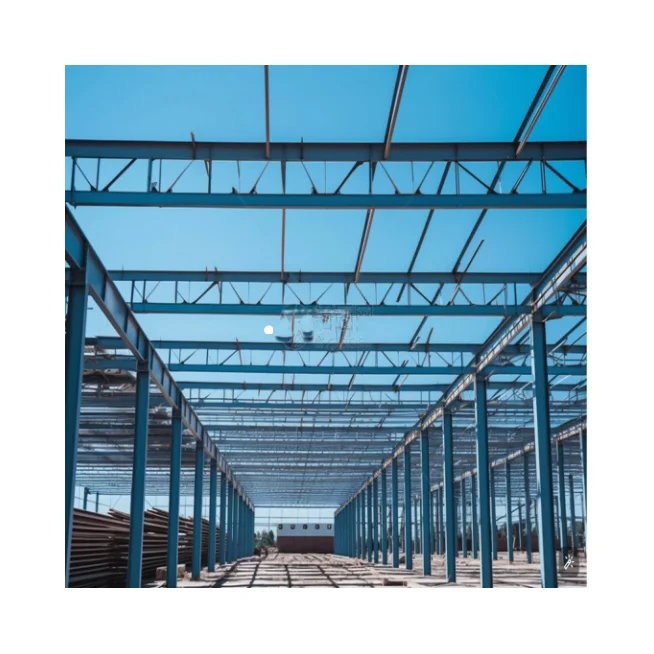
Types of Steel Beam Coating Systems
Galvanized Coatings for Maximum Protection
Hot-dip galvanizing represents one of the most effective methods for protecting steel beams against corrosion. This process involves immersing steel components in molten zinc at temperatures exceeding 840 degrees Fahrenheit, creating a metallurgical bond that forms multiple zinc-iron alloy layers. The resulting galvanized coating provides exceptional durability, typically lasting 50 to 100 years in most atmospheric conditions. Galvanized steel beam coatings offer self-healing properties through cathodic protection, where zinc sacrificially corrodes before the underlying steel substrate.
The thickness of galvanized coatings typically ranges from 2 to 5 mils, depending on steel composition and immersion time. Structural steel beams benefit from galvanizing because the process covers all surfaces uniformly, including hard-to-reach areas like corners and joints. This comprehensive coverage eliminates the risk of coating holidays or thin spots that plague other application methods. Industries frequently choose galvanized steel beam coatings for bridges, transmission towers, and industrial facilities where maintenance access is limited or costly.
Organic Coating Systems
Organic coatings encompass a broad category of polymer-based protective systems that include epoxies, polyurethanes, and acrylics. These steel beam coatings excel in environments where specific chemical resistance or decorative requirements exist. Epoxy coatings provide excellent adhesion and chemical resistance, making them suitable for industrial applications where steel beams face exposure to acids, alkalis, or solvents. Multi-coat epoxy systems typically include a zinc-rich primer, intermediate coat, and topcoat for enhanced protection and aesthetics.
Polyurethane topcoats offer superior UV resistance and color retention compared to other organic options. These coatings maintain their appearance longer in outdoor applications, reducing maintenance costs over the structure's lifespan. Application flexibility allows organic steel beam coatings to achieve various thicknesses and performance characteristics through spray, brush, or roller application. However, surface preparation requirements are more stringent than galvanizing, typically requiring blast cleaning to near-white metal standards.
Thermal Spray Coatings
Thermal spray coating processes apply molten or semi-molten materials onto steel beam surfaces using specialized equipment. Common thermal spray materials include zinc, aluminum, and zinc-aluminum alloys that provide cathodic protection similar to galvanizing. The process involves feeding coating material through a spray gun where it melts and propels onto the prepared steel surface. Thermal spray steel beam coatings offer advantages for large structures or field applications where hot-dip galvanizing is impractical.
Arc spray and flame spray represent the most common thermal spray methods for steel beam protection. Arc spray systems use two consumable wires that create an electric arc, melting the wire tips and atomizing the molten metal with compressed air. This process achieves coating rates significantly faster than brush or spray application of organic coatings. Thermal spray coatings typically require sealing with organic topcoats to eliminate porosity and enhance long-term performance.
Environmental Factors Affecting Coating Selection
Atmospheric Corrosivity Considerations
The selection of appropriate steel beam coatings requires careful evaluation of atmospheric corrosivity levels based on ISO 12944 standards. These standards classify environments from C1 (very low corrosivity) to CX (extreme corrosivity) based on factors such as humidity, temperature, salt content, and industrial pollutants. Marine environments typically fall into C4 or C5 categories due to high chloride concentrations, while rural inland areas may only require C2 or C3 protection levels.
Temperature fluctuations significantly impact coating performance and selection criteria. Steel beam coatings must withstand thermal cycling without cracking, delaminating, or losing adhesion. High-temperature applications may require specialized ceramic or silicone-based coatings that maintain protective properties above standard organic coating limits. Conversely, extreme cold conditions can make certain coatings brittle and prone to impact damage.
Chemical Exposure Assessment
Industrial facilities often subject steel beams to chemical exposures that dictate specific coating requirements. Acid environments demand coatings with exceptional chemical resistance, typically vinyl ester or novolac epoxy systems. Alkaline conditions may accelerate the degradation of certain steel beam coatings while having minimal impact on others. Solvent exposure requires coatings with excellent resistance to organic chemicals and sufficient thickness to prevent permeation.
Chemical compatibility testing becomes crucial when selecting steel beam coatings for specific industrial applications. Immersion testing, according to standards like ASTM D1308, helps predict long-term coating performance under actual service conditions. This testing evaluates factors such as weight loss, hardness retention, and adhesion degradation after extended chemical exposure.
Application Methods and Surface Preparation
Surface Preparation Requirements
Proper surface preparation forms the foundation for successful steel beam coating performance. Abrasive blast cleaning to SSPC-SP 10 or ISO Sa 2.5 standards removes all visible contamination and creates the anchor profile necessary for optimal coating adhesion. The anchor profile depth should match coating manufacturer specifications, typically ranging from 1 to 4 mils depending on the coating system. Steel beam coatings applied over inadequately prepared surfaces will fail prematurely regardless of coating quality.
Environmental conditions during surface preparation significantly affect coating performance. Relative humidity above 85 percent or steel temperatures within 5 degrees of the dew point create condensation risk that compromises coating adhesion. Temperature and humidity monitoring equipment helps ensure optimal application conditions for steel beam coatings. Salt contamination levels must remain below specified limits, typically 20-50 mg/m², to prevent osmotic blistering and premature coating failure.
Application Techniques
Spray application represents the most common method for applying steel beam coatings in industrial settings. Airless spray equipment provides consistent coating thickness and finish quality while maximizing application speed. Proper spray technique includes maintaining consistent gun distance, overlap patterns, and application rates to achieve uniform coating thickness. Stripe coating of edges, welds, and sharp corners ensures adequate coverage in areas prone to thin coating application.
Brush and roller application methods offer advantages for touch-up work or small projects where spray equipment setup is impractical. These methods provide better control over coating placement but require more labor time per square foot covered. Steel beam coatings applied by brush or roller may show texture differences compared to spray-applied areas, affecting final appearance in architectural applications.
Performance Characteristics and Durability
Corrosion Resistance Properties
The effectiveness of steel beam coatings in preventing corrosion depends on barrier protection, cathodic protection, or a combination of both mechanisms. Barrier coatings create a physical barrier between the steel substrate and corrosive environment, preventing moisture and oxygen from reaching the steel surface. The barrier effectiveness depends on coating thickness, porosity, and chemical resistance to environmental contaminants.
Cathodic protection systems, such as zinc-rich primers or galvanized coatings, provide electrochemical protection by sacrificially corroding in place of the steel substrate. This mechanism continues protecting steel even when the coating suffers minor damage or holidays. The duration of cathodic protection depends on zinc content and coating thickness, with higher zinc loadings providing extended protection periods.
Mechanical Properties
Steel beam coatings must possess adequate mechanical properties to withstand handling, installation, and service loads without damage. Impact resistance becomes critical during construction phases when steel beams face potential damage from tools, equipment, or debris. Flexibility requirements ensure coatings can accommodate thermal expansion and contraction without cracking or delaminating from the substrate.
Abrasion resistance varies significantly among different steel beam coatings, affecting their suitability for specific applications. Industrial environments with airborne particles or mechanical wear require coatings with enhanced abrasion resistance. Testing according to standards like ASTM D4060 helps quantify abrasion resistance and compare different coating options for demanding applications.
Cost Analysis and Life Cycle Considerations
Initial Investment Comparison
The initial cost of steel beam coatings varies substantially based on coating type, surface preparation requirements, and application complexity. Galvanized coatings typically command higher upfront costs due to transportation and processing requirements, but this investment often proves economical over the structure's lifespan. Organic coating systems may offer lower initial costs but require more frequent maintenance and reapplication cycles.
Labor costs represent a significant portion of total coating expenses, particularly for complex structures with limited access. Shop application of steel beam coatings generally costs less than field application due to controlled environmental conditions and efficient workflow. However, transportation limitations may require field coating for large or numerous steel beams, increasing overall project costs.
Maintenance Requirements
Long-term maintenance needs significantly impact the total cost of ownership for steel beam coatings. Galvanized coatings typically require minimal maintenance for decades, while organic systems may need touch-up or overcoating every 10-20 years depending on environmental exposure. Maintenance planning should consider access requirements, environmental restrictions, and operational disruptions associated with recoating activities.
Inspection protocols help maximize coating life by identifying problems before they become costly repairs. Regular visual inspections can detect coating damage, while more sophisticated techniques like holiday detection or adhesion testing provide quantitative assessment of coating condition. Early intervention with localized repairs often prevents the need for complete recoating projects.
FAQ
What is the most cost-effective coating for steel beams in marine environments
Hot-dip galvanizing typically provides the most cost-effective protection for steel beams in marine environments due to its exceptional durability and minimal maintenance requirements. The initial higher cost is offset by 50-100 year service life and superior performance against chloride attack. For projects where galvanizing is not feasible, three-coat systems with zinc-rich epoxy primers, intermediate coats, and polyurethane topcoats offer excellent marine protection with 15-25 year maintenance cycles.
How thick should steel beam coatings be for industrial applications
Steel beam coating thickness requirements depend on environmental corrosivity and desired service life, typically ranging from 4-12 mils for organic systems in industrial applications. C4 corrosivity environments generally require minimum 200-300 micron (8-12 mil) total coating thickness, while C5 environments may need 350-500 microns (14-20 mils). Galvanized coatings typically provide 2-5 mil thickness and may be combined with organic topcoats for enhanced performance in severe environments.
Can steel beam coatings be applied in cold weather conditions
Most steel beam coatings have minimum application temperature requirements, typically 40-50°F for standard systems and 20-35°F for cold-weather formulations. Surface temperature must exceed air temperature by at least 5°F to prevent condensation during application. Special cold-weather coatings are available for winter application but may require longer cure times and modified application techniques to achieve optimal performance.
How do I determine the right coating system for my specific project
Selecting the appropriate steel beam coating system requires evaluation of environmental conditions, service life requirements, maintenance preferences, and budget constraints. Consult ISO 12944 or similar standards to determine corrosivity classification, then select coating systems with proven performance in similar environments. Consider factors such as application method constraints, aesthetic requirements, and long-term maintenance capabilities when making the final selection decision.

