
 EN
EN



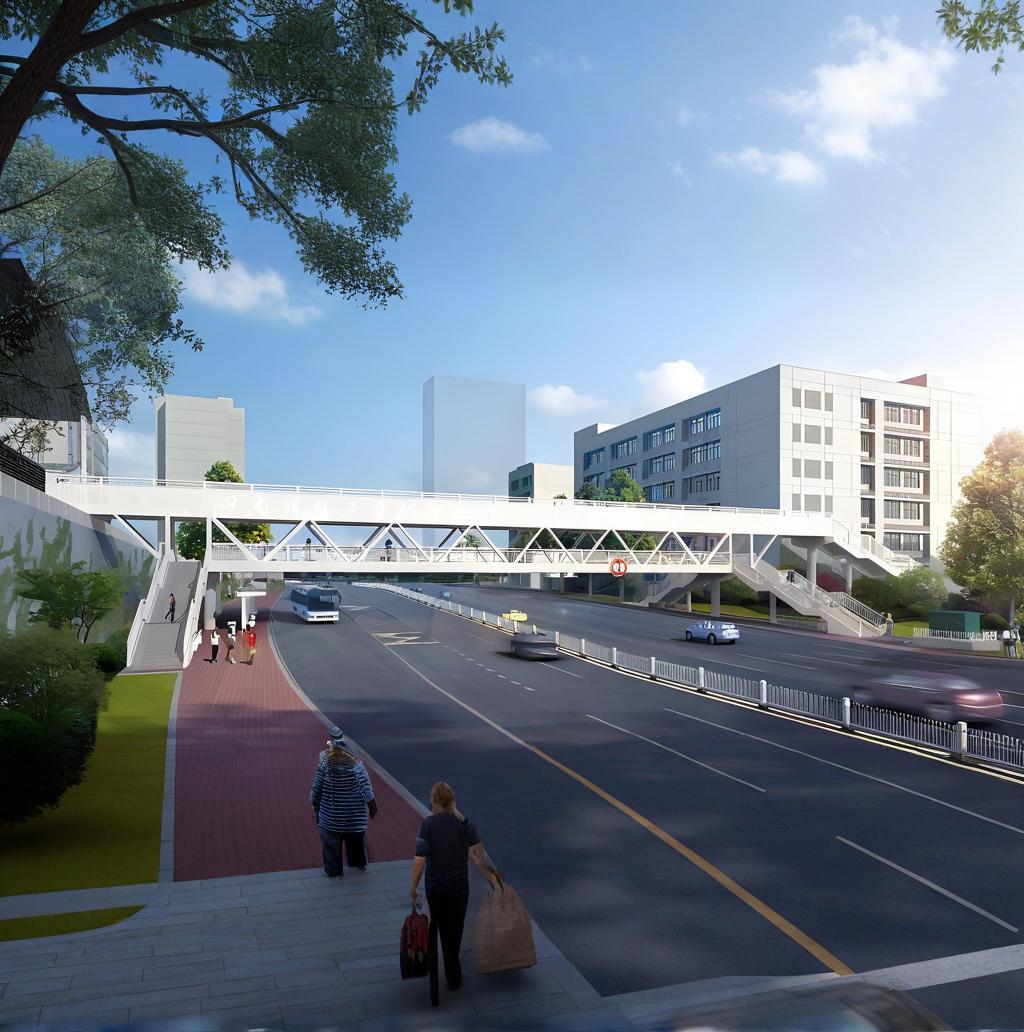
Modern industrial construction has witnessed a significant shift toward innovative building solutions that offer superior performance, cost-effectiveness, and sustainability. Among these advanced construction methods, the workshop steel structure has emerged as the preferred choice for businesses seeking efficient and durable building solutions. This revolutionary approach to industrial construction combines engineering excellence with practical benefits that far exceed traditional materials like concrete, wood, and masonry. The growing adoption of steel structures across various industries reflects their proven advantages in terms of structural integrity, construction speed, and long-term operational efficiency.

Structural Advantages of Steel Over Traditional Materials
Superior Load-Bearing Capacity
The inherent strength properties of steel make workshop steel structure systems exceptionally capable of handling heavy loads and extreme conditions. Unlike traditional materials such as wood or concrete, steel maintains consistent structural integrity across large spans without requiring intermediate support columns. This characteristic enables the creation of vast, unobstructed workshop spaces that maximize operational efficiency and equipment placement flexibility. Steel's high strength-to-weight ratio means that lighter foundation requirements can support substantial structural loads, reducing overall construction costs and complexity.
Engineering studies consistently demonstrate that steel structures can withstand seismic activities, wind loads, and dynamic forces far better than conventional materials. The ductile nature of steel allows it to absorb and redistribute stress without catastrophic failure, providing enhanced safety margins for industrial operations. This reliability factor becomes particularly crucial in workshop environments where heavy machinery, overhead cranes, and substantial inventory loads create complex stress patterns throughout the building structure.
Dimensional Stability and Precision
Workshop steel structure components are manufactured with exceptional precision in controlled factory environments, ensuring dimensional accuracy that traditional on-site construction methods cannot match. This precision manufacturing process eliminates the variability and tolerances associated with concrete curing, wood shrinkage, and masonry construction. The result is a building system where components fit together seamlessly, reducing construction time and minimizing potential structural issues.
The dimensional stability of steel means that workshop buildings maintain their structural geometry over time, preventing issues like settling, warping, or dimensional changes that commonly affect traditional materials. This stability is particularly valuable in industrial settings where precise equipment alignment, overhead crane operations, and manufacturing tolerances depend on maintaining exact building dimensions throughout the structure's service life.
Economic Benefits and Cost Effectiveness
Reduced Construction Time and Labor Costs
The prefabricated nature of workshop steel structure systems dramatically reduces construction timelines compared to traditional building methods. While concrete structures require extensive curing time and weather-dependent construction schedules, steel components arrive on-site ready for immediate assembly. This efficiency translates directly into reduced labor costs, shorter project timelines, and faster return on investment for business owners.
Construction crews can erect steel framework in a fraction of the time required for equivalent concrete or masonry structures. The standardized connection methods and pre-engineered components eliminate much of the skilled labor requirements associated with traditional construction techniques. This efficiency factor becomes increasingly important in markets where skilled construction labor is scarce or expensive, making workshop steel structure projects more predictable and cost-effective.
Long-term Maintenance and Operational Savings
Over the building's operational lifespan, workshop steel structure systems consistently outperform traditional materials in terms of maintenance requirements and associated costs. Modern steel structures incorporate advanced coating systems and corrosion-resistant treatments that minimize maintenance interventions compared to concrete repairs, wood replacement, or masonry repointing required by traditional construction methods.
The durability of properly designed steel structures means that major structural repairs or renovations are rarely necessary during the building's expected service life. This reliability factor provides significant advantages in industrial environments where production downtime for building maintenance directly impacts operational profitability. Additionally, steel structures can be easily modified or expanded to accommodate changing operational requirements, providing long-term flexibility that traditional construction methods cannot match.
Design Flexibility and Architectural Advantages
Open Floor Plan Capabilities
Workshop steel structure systems excel in creating large, column-free interior spaces that maximize operational efficiency and equipment layout flexibility. The spanning capabilities of steel beams and trusses eliminate the need for interior load-bearing walls or columns that constrain traditional building designs. This open-plan approach enables businesses to optimize their workflow patterns, accommodate large equipment installations, and reconfigure interior layouts as operational needs evolve.
The ability to create expansive interior spaces without structural impediments provides significant advantages for modern manufacturing processes, logistics operations, and multi-use industrial facilities. Workshop steel structure buildings can accommodate overhead crane systems, mezzanine levels, and specialized equipment installations that would be difficult or impossible to integrate into traditional building designs. This flexibility ensures that the building structure supports rather than constrains operational requirements.
Customization and Expansion Opportunities
Steel construction methods offer unparalleled opportunities for customization and future expansion compared to traditional building materials. The modular nature of workshop steel structure systems means that additional sections, height extensions, or specialized features can be incorporated during initial construction or added later as business needs grow. This adaptability provides significant long-term value for growing businesses or operations with evolving requirements.
The standardized connection methods and engineering principles used in steel construction enable seamless integration of expansions or modifications without compromising structural integrity. Traditional materials like concrete or masonry require complex interface details and often result in visible joints or structural compromises when modifications are attempted. Steel structures maintain their engineered performance characteristics even when expanded or modified, ensuring consistent structural reliability throughout the building's service life.
Environmental and Sustainability Considerations
Recyclability and Resource Efficiency
The environmental advantages of workshop steel structure systems extend far beyond their operational lifespan, as steel represents one of the most recyclable construction materials available. At the end of a building's service life, steel components can be completely recycled into new structural elements without degradation of material properties. This circular economy approach contrasts sharply with concrete, wood, or masonry materials that often end up in landfills or require energy-intensive disposal processes.
Modern steel production increasingly incorporates recycled content, with many structural steel products containing significant percentages of recycled material. This sustainability factor appeals to environmentally conscious businesses and supports green building certification programs. The efficient use of materials in workshop steel structure design also minimizes waste during construction compared to traditional methods that generate substantial construction debris and material waste.
Energy Efficiency and Building Performance
Workshop steel structure buildings can incorporate advanced insulation systems and energy-efficient building envelope components more easily than traditional construction methods. The precise manufacturing tolerances and standardized connection details enable superior air sealing and thermal performance that reduces long-term energy consumption. Modern steel building systems integrate seamlessly with high-performance insulation materials, vapor barriers, and energy-efficient mechanical systems.
The thermal mass characteristics of steel structures provide advantages in certain climatic conditions, while the ability to incorporate continuous insulation systems eliminates thermal bridging issues common in traditional construction. These building performance advantages translate into reduced operational energy costs and improved interior environmental conditions for workshop operations, contributing to both economic and environmental benefits throughout the building's service life.
FAQ
How does the cost of workshop steel structure compare to traditional concrete construction
Workshop steel structure systems typically offer 15-25% cost savings compared to equivalent concrete construction when considering total project costs including labor, timeline, and foundation requirements. While steel material costs may be higher per pound than concrete, the reduced construction time, lighter foundation requirements, and lower labor costs result in overall project savings. Additionally, the long-term maintenance advantages and expansion flexibility of steel structures provide ongoing economic benefits that further improve the total cost of ownership compared to traditional materials.
What are the fire resistance capabilities of steel workshop structures
Modern workshop steel structure buildings incorporate comprehensive fire protection systems including fire-resistant coatings, sprinkler systems, and engineered fire safety designs that meet or exceed building code requirements. While steel loses strength at high temperatures, proper fire protection measures ensure adequate structural performance during fire events. Many steel workshop buildings achieve better overall fire safety performance than traditional materials through integrated fire suppression systems and escape route designs that take advantage of the open floor plan capabilities of steel construction.
Can workshop steel structure buildings withstand severe weather conditions
Workshop steel structure systems are specifically engineered to withstand severe weather conditions including high winds, seismic activity, and snow loads that often exceed the capabilities of traditional construction materials. The ductile properties of steel allow structures to flex and absorb dynamic forces without brittle failure modes common in concrete or masonry construction. Proper engineering and connection details ensure that steel workshop buildings maintain structural integrity under extreme weather conditions while providing safe shelter for occupants and equipment.
What maintenance is required for workshop steel structure buildings
Workshop steel structure buildings require minimal maintenance when properly designed and constructed with appropriate protective coatings. Routine maintenance typically includes periodic inspection of protective coatings, cleaning of gutters and drainage systems, and standard building envelope maintenance common to all construction types. The structural steel framework itself rarely requires maintenance interventions during the building's service life, unlike concrete structures that may require crack repair or masonry buildings that need repointing. This reduced maintenance requirement contributes significantly to the long-term economic advantages of steel construction over traditional materials.
Table of Contents
- Structural Advantages of Steel Over Traditional Materials
- Economic Benefits and Cost Effectiveness
- Design Flexibility and Architectural Advantages
- Environmental and Sustainability Considerations
-
FAQ
- How does the cost of workshop steel structure compare to traditional concrete construction
- What are the fire resistance capabilities of steel workshop structures
- Can workshop steel structure buildings withstand severe weather conditions
- What maintenance is required for workshop steel structure buildings

