
 EN
EN



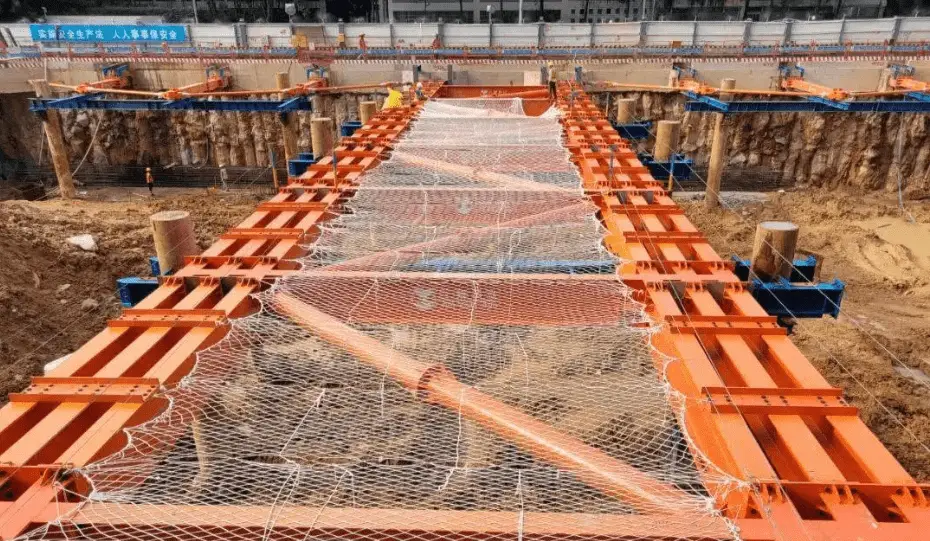
Steel warehouses have become the backbone of modern industrial infrastructure, providing robust and reliable storage solutions across various industries. Understanding the load-bearing requirements for these structures is crucial for engineers, architects, and facility managers who need to ensure safety, compliance, and operational efficiency. The structural integrity of a steel warehouse depends on multiple factors, including the building's intended use, local building codes, environmental conditions, and the specific materials and equipment that will be housed within the facility.
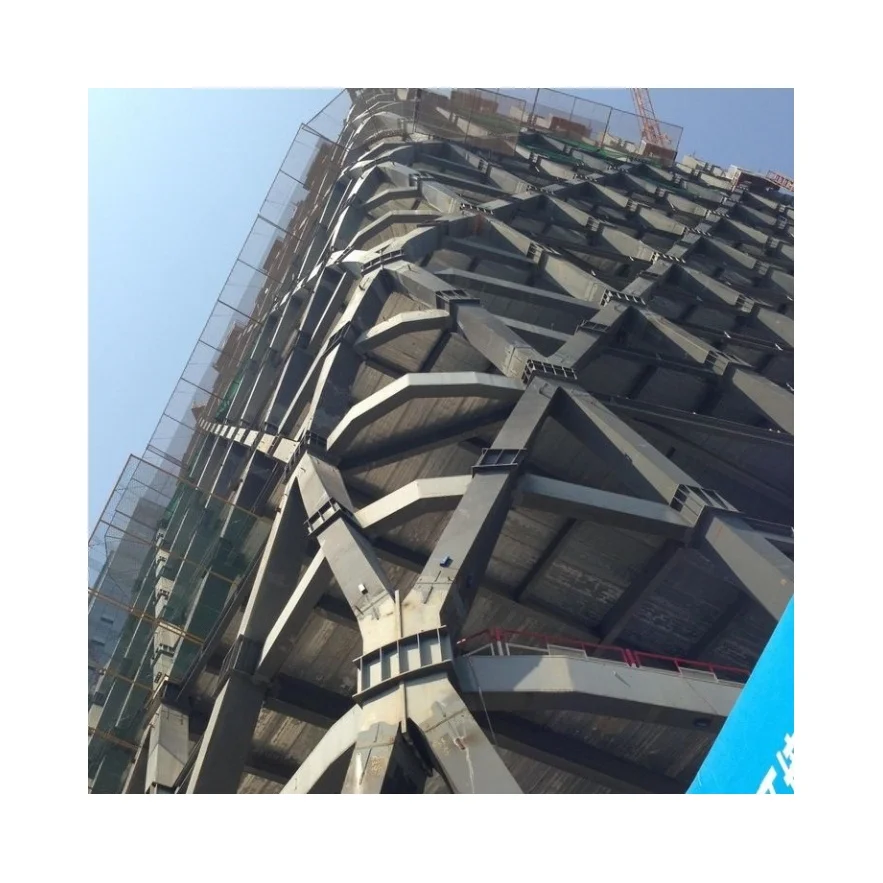
Modern steel warehouse construction involves sophisticated engineering calculations that account for various load types and their combinations. The complexity of these calculations has increased as warehouses have evolved to accommodate heavier machinery, multi-story racking systems, and automated storage and retrieval systems. Engineers must consider not only the static loads from stored materials but also dynamic loads from moving equipment, seismic forces, wind loads, and snow loads depending on the geographical location.
The foundation of any steel warehouse design begins with a comprehensive understanding of the anticipated loads and their distribution throughout the structure. This analysis forms the basis for selecting appropriate steel grades, member sizes, connection details, and foundation systems. The integration of these elements determines the overall structural performance and long-term durability of the warehouse facility.
Fundamental Load Categories in Steel Warehouse Design
Dead Loads and Structural Components
Dead loads represent the permanent weight of the structure itself, including steel framing members, roof and wall systems, mechanical equipment, and any permanently attached fixtures. In steel warehouses, dead loads typically range from 15 to 25 pounds per square foot for the roof system, depending on the roofing material and insulation requirements. The steel framing system itself contributes additional dead load that varies based on the span lengths, bay spacing, and structural configuration chosen for the specific application.
The calculation of dead loads requires careful consideration of all structural and non-structural elements that will be permanently attached to the building frame. This includes HVAC systems, sprinkler systems, lighting fixtures, and any suspended equipment or platforms. Modern steel warehouses often incorporate energy-efficient insulation systems and advanced roofing materials that can significantly impact the total dead load calculations.
Accurate dead load calculations are essential because they affect the design of every structural member from the foundation to the roof system. Underestimating dead loads can lead to structural inadequacy, while overestimating can result in unnecessarily conservative and expensive designs. Professional structural engineers use detailed material specifications and manufacturer data to ensure precise dead load calculations.
Live Loads and Occupancy Requirements
Live loads in steel warehouses encompass all temporary or variable loads that the structure will experience during its operational life. These include stored materials, equipment loads, personnel loads, and any temporary installations. The International Building Code typically specifies minimum live loads for warehouse occupancies, but actual design loads often exceed these minimums based on the specific intended use of the facility.
Storage loads can vary dramatically depending on the type of materials being warehoused and the storage methods employed. Traditional pallet storage might require floor live loads of 125 to 250 pounds per square foot, while high-density storage systems or heavy industrial materials may require significantly higher load capacities. The distribution of these loads throughout the structure affects both the floor system design and the overall building frame.
Equipment loads represent another critical component of live load analysis in steel warehouses. Forklifts, conveyor systems, cranes, and automated storage equipment all contribute concentrated and distributed loads that must be carefully analyzed. The dynamic nature of moving equipment also introduces additional considerations for fatigue and vibration analysis in the structural design process.
Environmental Load Considerations
Wind Load Analysis and Design
Wind loads represent one of the most significant lateral load sources for steel warehouse structures, particularly those with large wall and roof areas exposed to wind pressure. The design wind speed varies by geographical location and is specified in local building codes based on historical weather data and risk assessments. Modern steel warehouses must be designed to resist both the positive and negative pressures created by wind flow around and over the building envelope.
The calculation of wind loads involves complex analysis of building geometry, surrounding terrain, and exposure conditions. Steel warehouses with large, unobstructed wall surfaces are particularly susceptible to wind loading, requiring robust lateral force resisting systems. The structural system must transfer these lateral loads from the building envelope through the frame members to the foundation system without exceeding allowable stress limits or deflection criteria.
Advanced wind analysis often utilizes computational fluid dynamics modeling to understand the specific wind pressure distributions on irregularly shaped warehouses or those in complex terrain conditions. This detailed analysis helps optimize the structural design and can lead to more efficient and economical solutions while maintaining the required safety factors.
Seismic Design Requirements
Seismic design requirements for steel warehouses vary significantly based on geographical location and local seismic activity levels. Areas with high seismic risk require comprehensive earthquake-resistant design that considers both the dynamic response of the structure and the potential for ground motion amplification. The seismic design process involves determining the appropriate seismic design category and implementing corresponding detailing requirements for connections and member proportioning.
Steel warehouse structures must be designed with adequate ductility and energy dissipation capacity to survive major seismic events without collapse. This requires careful attention to connection design, member slenderness ratios, and the overall structural configuration. Modern steel warehouse load bearing systems often incorporate special moment frames or concentrically braced frames to provide the necessary seismic resistance.
The interaction between seismic forces and other loading conditions requires careful load combination analysis to ensure that the structure can safely resist all applicable load combinations. This is particularly important in steel warehouses where heavy storage loads and seismic forces may combine to create critical design conditions for both the gravity and lateral force resisting systems.
Structural System Selection and Design
Frame Configuration and Member Sizing
The selection of an appropriate structural frame configuration is fundamental to achieving efficient load distribution and cost-effective construction in steel warehouses. Common framing systems include rigid frame, braced frame, and moment frame configurations, each offering distinct advantages for different loading conditions and architectural requirements. The choice between these systems depends on factors such as span requirements, clear height needs, crane loads, and aesthetic preferences.
Member sizing in steel warehouse structures involves optimization of steel sections to resist the calculated loads while minimizing material costs and construction complexity. Modern structural analysis software enables engineers to perform sophisticated optimization studies that consider multiple loading conditions simultaneously. The selection process must balance structural efficiency with practical considerations such as connection details, fabrication requirements, and erection sequences.
Advanced steel warehouse designs often incorporate variable section properties along member lengths to optimize material usage and structural performance. This approach, known as prismatic or tapered member design, can result in significant material savings while maintaining the required load-carrying capacity. The use of high-strength steel grades in critical members can also enhance the overall structural efficiency of the system.
Foundation Design and Soil Interaction
The foundation system for steel warehouses must effectively transfer all structural loads to the supporting soil while accommodating the specific characteristics of the site conditions. Foundation design begins with comprehensive geotechnical investigation to determine soil bearing capacity, settlement characteristics, and groundwater conditions. This information is essential for selecting the appropriate foundation type and determining the required foundation dimensions and reinforcement details.
Shallow foundation systems, such as spread footings and combined footings, are commonly used for steel warehouses when adequate soil bearing capacity exists at relatively shallow depths. These foundations must be proportioned to resist both vertical loads and lateral forces while limiting differential settlement to acceptable levels. The design must also consider the effects of frost penetration, soil expansion, and long-term settlement on the structural performance.
Deep foundation systems may be required when poor soil conditions exist or when the magnitude of structural loads exceeds the capacity of shallow foundations. Driven piles, drilled shafts, and other deep foundation elements can provide the necessary load-carrying capacity and settlement control for heavily loaded steel warehouse structures. The selection between different deep foundation types depends on soil conditions, load requirements, and economic considerations specific to each project.
Load Path Analysis and Structural Continuity
Vertical Load Transfer Systems
Effective vertical load transfer is essential for the safe and efficient performance of steel warehouse structures under all applicable loading conditions. The load path begins with the applied loads at the roof and floor levels and continues through the structural frame members to the foundation system. Each component in this load path must be adequately designed to resist the forces while maintaining structural continuity and redundancy.
The design of vertical load transfer systems requires careful consideration of load distribution assumptions and the actual behavior of structural connections. Connection design must account for the transfer of forces between members while providing adequate rotational capacity and ductility. Modern steel connection design utilizes advanced analysis methods to optimize connection performance and reduce construction costs while maintaining safety requirements.
Structural continuity in steel warehouses is particularly important for resisting unexpected loading conditions and providing alternative load paths in the event of local member failure. Progressive collapse analysis has become increasingly important in steel warehouse design, requiring designers to consider the consequences of localized failures and provide adequate structural redundancy to prevent disproportionate collapse.
Lateral Stability and Bracing Requirements
Lateral stability of steel warehouse structures depends on the effective design and placement of bracing systems that provide resistance to lateral forces and prevent structural instability. Bracing systems must be integrated with the overall structural configuration to ensure efficient force transfer without interfering with the functional requirements of the warehouse space. The selection between different bracing types depends on architectural constraints, loading requirements, and construction considerations.
Roof diaphragm action plays a crucial role in distributing lateral forces to the vertical lateral force resisting elements. The design of roof diaphragms in steel warehouses must consider the stiffness and strength characteristics of the roof deck system and its connections to the supporting steel framing. Proper detailing of diaphragm connections ensures that lateral forces are effectively transferred from their point of application to the foundation system.
Out-of-plane stability of compression members requires careful consideration of unbraced lengths and lateral support provisions. Steel warehouse frames often have large unbraced lengths in both the roof and wall framing systems, making stability analysis a critical aspect of the design process. Modern design approaches utilize advanced buckling analysis to optimize member sizes while ensuring adequate stability under all loading conditions.
Specialized Loading Conditions
Crane and Material Handling Loads
Steel warehouses that incorporate overhead cranes or specialized material handling equipment require enhanced structural design to accommodate the concentrated loads and dynamic effects associated with these systems. Crane loads include vertical wheel loads, horizontal longitudinal and lateral forces, and impact factors that account for the dynamic nature of crane operations. The structural frame must be designed to resist these loads while limiting deflections to levels compatible with crane operation requirements.
The integration of crane systems with the building structure requires careful coordination between the structural engineer and crane manufacturer to ensure compatibility of load requirements and deflection limits. Crane runway beams must be designed for fatigue loading due to the repetitive nature of crane operations, and connection details must accommodate the specific load transfer requirements while providing adequate durability over the service life of the facility.
Advanced material handling systems, such as automated storage and retrieval systems, introduce unique loading conditions that must be carefully analyzed and incorporated into the structural design. These systems often require precise deflection control and may generate dynamic loads that require specialized analysis techniques to ensure proper structural performance and system operation.
Thermal Effects and Movement Accommodation
Thermal effects in steel warehouse structures can generate significant forces and movements that must be accommodated in the structural design to prevent damage and ensure long-term performance. Steel has a relatively high coefficient of thermal expansion, making thermal analysis particularly important for large warehouse structures with significant temperature variations. The design must provide adequate expansion joints and flexible connections to accommodate thermal movements while maintaining structural integrity.
Temperature differentials between different parts of the structure can create additional stresses that must be considered in the design process. Roof structures exposed to direct solar radiation may experience significantly different temperatures than wall and floor systems, creating complex stress patterns that require careful analysis. Modern steel warehouse designs often incorporate thermal movement joints and flexible connection details to accommodate these effects without compromising structural performance.
Fire protection requirements for steel warehouses may include structural fire resistance ratings that affect member sizing and connection design. Steel loses strength rapidly at elevated temperatures, requiring either fire-resistant coatings or increased member sizes to maintain adequate load-carrying capacity during fire conditions. The integration of fire protection systems with the structural design requires coordination with fire protection engineers to ensure effective protection while maintaining architectural and functional requirements.
FAQ
What are the typical floor live load requirements for steel warehouses?
Steel warehouses typically require floor live loads ranging from 125 to 500 pounds per square foot, depending on the specific use and storage requirements. General storage areas usually require 125-250 psf, while heavy industrial storage or high-density racking systems may require 300-500 psf or higher. The actual design load should be based on the specific materials and equipment that will be used in the facility, and engineers often design for loads higher than code minimums to provide operational flexibility.
How do building codes determine wind load requirements for steel warehouses?
Building codes determine wind load requirements based on the geographic location, building height, exposure conditions, and structural configuration. The basic wind speed is established from regional wind maps, and this value is modified by factors including building height, terrain exposure category, topographic effects, and importance factors. Steel warehouses must be designed to resist both positive and negative wind pressures, with special attention to large roof and wall surfaces that are particularly susceptible to wind loading.
What factors affect the seismic design requirements for steel warehouses?
Seismic design requirements for steel warehouses are determined by the seismic design category, which depends on the geographic location, soil conditions, and building occupancy classification. Factors include the mapped spectral response accelerations, site soil classification, building period, and structural system type. Higher seismic design categories require more stringent detailing requirements, special seismic-resistant structural systems, and additional analysis procedures to ensure adequate performance during earthquake events.
How do crane loads affect the structural design of steel warehouses?
Crane loads significantly impact steel warehouse design by introducing concentrated vertical and horizontal forces, impact factors, and fatigue considerations. Crane loads include maximum wheel loads, longitudinal and lateral horizontal forces, and dynamic amplification factors. The structural frame must be designed with adequate strength and stiffness to support these loads while limiting deflections to levels compatible with crane operation. Special attention is required for runway beam design, connection details, and fatigue resistance due to the repetitive nature of crane operations.

