
 EN
EN



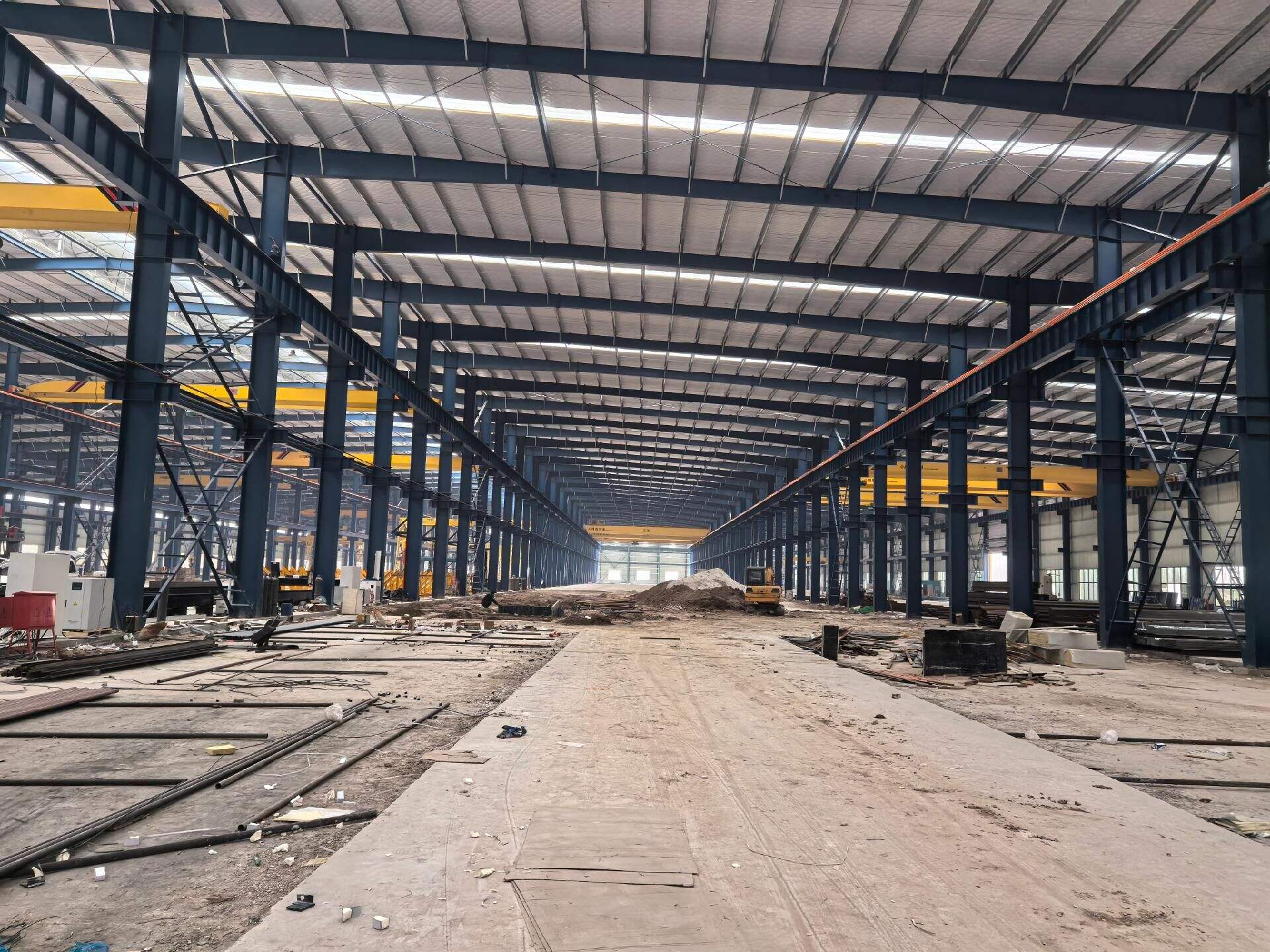
Steel warehouses have emerged as a dominant force in modern industrial construction, offering unparalleled versatility and structural integrity for various storage applications. When businesses consider cold storage solutions, the question of whether steel warehouses can effectively serve this specialized purpose becomes increasingly relevant. The unique properties of steel construction, combined with proper insulation and climate control systems, create compelling opportunities for cold storage facilities that demand both durability and temperature precision. Understanding the fundamental characteristics of steel warehouse construction provides essential insight into their potential for refrigerated storage applications across multiple industries.
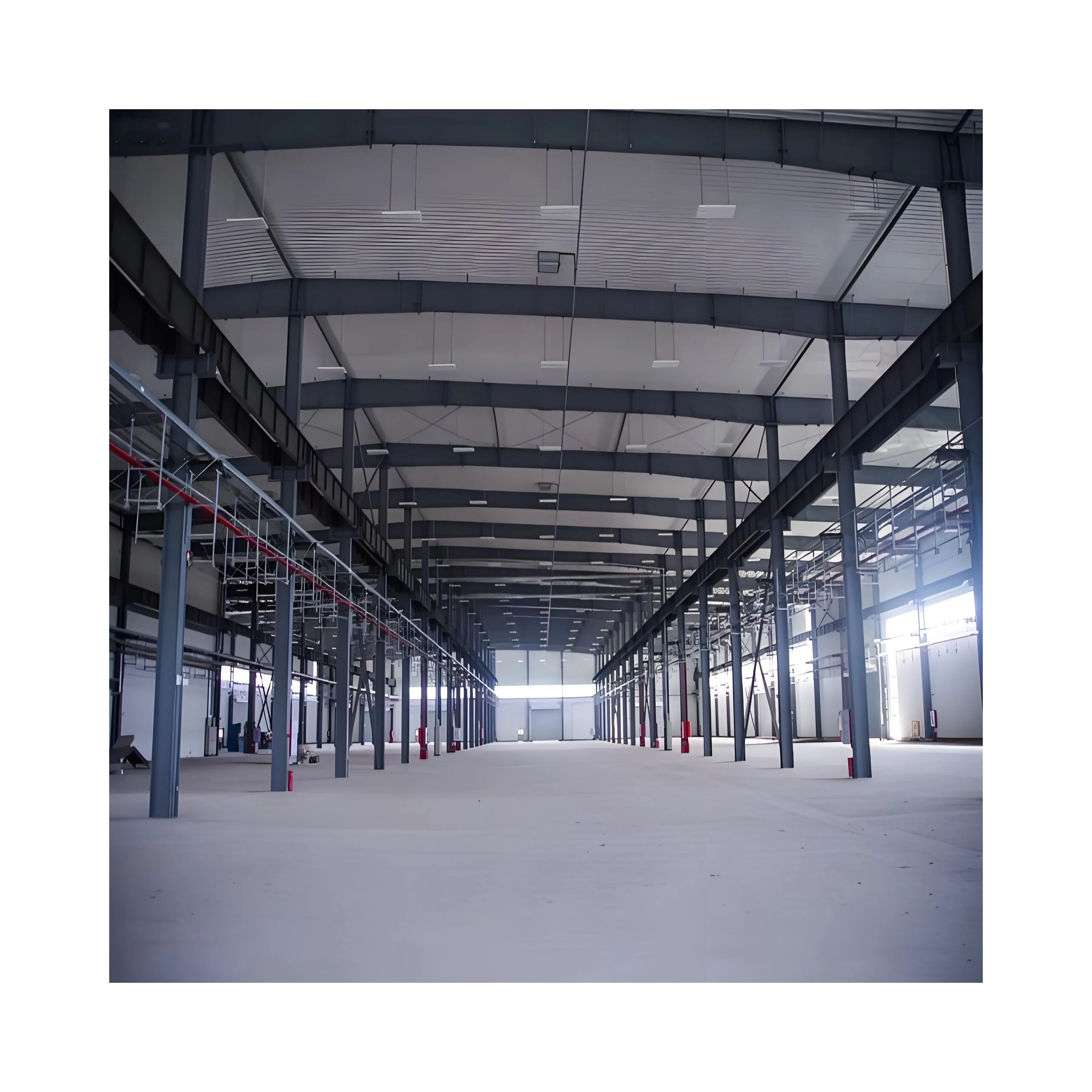
Structural Advantages of Steel Construction for Cold Storage
Superior Load-Bearing Capacity
The inherent strength of steel framework provides exceptional load-bearing capabilities essential for cold storage operations. Heavy refrigeration equipment, insulation materials, and stored products create substantial structural demands that steel warehouses handle with remarkable efficiency. The high strength-to-weight ratio of steel allows for larger clear spans without intermediate support columns, maximizing usable storage space while maintaining structural integrity. This characteristic proves particularly valuable in cold storage facilities where unobstructed space enhances operational efficiency and equipment placement flexibility.
Steel's predictable behavior under various load conditions ensures consistent performance throughout the facility's operational lifetime. Unlike other construction materials that may experience creep or settlement over time, steel maintains its structural properties, providing reliable support for suspended refrigeration systems, conveyor equipment, and high-density storage configurations. The material's ability to distribute loads evenly across the structure prevents localized stress concentrations that could compromise the building's integrity or create maintenance challenges in critical cold storage environments.
Thermal Expansion Management
Steel's thermal expansion properties, while requiring careful consideration, can be effectively managed through proper engineering design in cold storage applications. Professional structural engineers implement expansion joints, flexible connections, and strategic design elements that accommodate temperature-related dimensional changes without compromising structural performance. These design strategies ensure that steel warehouses maintain their dimensional stability across wide temperature ranges typical in cold storage operations.
Modern steel warehouse designs incorporate advanced computational analysis to predict and accommodate thermal movement patterns. The predictable nature of steel's thermal response allows engineers to design connection details and structural systems that work harmoniously with temperature fluctuations. This engineering approach transforms potential thermal challenges into manageable design considerations that enhance rather than compromise the facility's long-term performance and operational reliability.
Insulation Integration and Energy Efficiency
Advanced Insulation Systems
Contemporary steel warehouses accommodate sophisticated insulation systems specifically designed for cold storage applications. High-performance insulation materials, including polyurethane foam panels, vacuum insulated panels, and advanced composite systems, integrate seamlessly with steel structural frameworks. These insulation systems create continuous thermal barriers that minimize heat transfer while maintaining the structural advantages of steel construction. The combination of steel strength and superior insulation performance delivers energy-efficient cold storage solutions that meet stringent temperature control requirements.
The modular nature of steel construction facilitates precise insulation installation with minimal thermal bridging. Engineered insulation attachment systems and thermal break technologies prevent heat transfer through structural elements, ensuring consistent internal temperatures throughout the facility. This integration approach allows cold storage operators to achieve and maintain precise temperature zones while benefiting from steel's durability and long-term performance characteristics.
Energy Performance Optimization
Steel warehouse construction enables implementation of energy-efficient building envelope systems that significantly reduce operational costs in cold storage applications. The structural framework supports advanced building envelope technologies, including high-performance wall and roof systems designed specifically for refrigerated environments. These systems incorporate multiple insulation layers, vapor barriers, and air sealing technologies that work together to minimize energy consumption while maintaining precise temperature control.
The clear-span capabilities of steel construction eliminate interior columns that could create thermal inefficiencies or complicate airflow patterns within cold storage spaces. This open design facilitates optimal refrigeration system placement and air circulation patterns, enhancing overall energy performance. Additionally, steel's compatibility with renewable energy systems, such as solar panels and wind generation equipment, provides opportunities for sustainable energy solutions that further reduce operational costs in cold storage facilities.
Climate Control and Environmental Considerations
Moisture Management Systems
Effective moisture control represents a critical factor in cold storage facility design, and steel warehouses offer excellent compatibility with advanced vapor control systems. The non-porous nature of steel structural elements prevents moisture absorption that could lead to structural degradation or indoor air quality issues. Properly designed steel warehouse systems incorporate comprehensive vapor barrier installations and controlled ventilation systems that maintain optimal humidity levels while preventing condensation problems common in cold storage environments.
Steel construction facilitates installation of sophisticated dehumidification and air handling systems that maintain precise environmental conditions throughout the storage space. The structural framework provides secure mounting points for HVAC equipment while the building envelope design incorporates features specifically engineered to prevent moisture infiltration. This integrated approach ensures that cold storage facilities maintain consistent environmental conditions that protect stored products while preserving the structural integrity of the building system.
Air Quality and Ventilation Control
The design flexibility of steel warehouses enables implementation of advanced ventilation systems that maintain superior air quality in cold storage environments. Strategic placement of air handling equipment and ductwork systems optimizes airflow patterns while minimizing temperature variations throughout the storage space. Steel's structural properties support suspended mechanical systems that deliver consistent air circulation without compromising floor space or operational efficiency.
Controlled atmosphere systems, essential for certain cold storage applications, integrate effectively with steel warehouse designs. The airtight construction capabilities of modern steel building systems support modified atmosphere storage techniques that extend product shelf life and maintain quality. These systems require precise environmental control that steel warehouses can accommodate through engineered building envelope systems and sophisticated mechanical installations.
Operational Efficiency and Maintenance Benefits
Durability and Longevity
Steel warehouses demonstrate exceptional durability in cold storage applications, resisting degradation from temperature extremes and moisture exposure that can compromise other construction materials. Modern steel treatments, including galvanization and protective coatings, provide long-term corrosion resistance essential for maintaining structural integrity in refrigerated environments. The material's resistance to biological degradation, such as mold or insect damage, ensures consistent performance throughout the facility's operational lifetime.
The predictable aging characteristics of steel allow facility managers to develop effective maintenance schedules that maximize operational uptime while minimizing unexpected repairs. Unlike organic construction materials that may experience unpredictable deterioration, steel components maintain their structural properties over decades of service. This reliability translates to lower total cost of ownership and enhanced operational security for cold storage businesses that depend on consistent facility performance.
Maintenance Accessibility and Safety
Steel warehouse designs facilitate safe and efficient maintenance access to critical building systems and refrigeration equipment. The clear-span construction eliminates interior obstacles that could complicate maintenance activities while providing secure attachment points for safety systems and access equipment. Structural steel frameworks support overhead crane systems, elevated platforms, and specialized maintenance equipment that enhance worker safety during routine service activities.
The fire-resistant properties of steel construction provide enhanced safety margins for maintenance personnel working in cold storage environments. Steel's predictable behavior under emergency conditions, combined with proper fire protection systems, creates safer working environments for facility maintenance staff. Additionally, the material's compatibility with advanced safety monitoring systems enables real-time structural health monitoring that can detect potential issues before they impact operations or worker safety.
Economic Considerations and Cost Analysis
Initial Construction Costs
The construction economics of steel warehouses for cold storage applications often demonstrate favorable cost profiles compared to alternative construction methods. The speed of steel construction reduces project timelines, minimizing financing costs and enabling earlier facility operation. Prefabricated steel components arrive at construction sites ready for assembly, reducing labor costs and weather-related delays that can significantly impact project budgets.
Steel's design efficiency enables optimization of material usage while maintaining required structural performance, often resulting in lower overall material costs. The ability to design steel warehouses with larger column spacing reduces foundation requirements and site preparation costs. These construction efficiencies, combined with steel's compatibility with modular construction techniques, create cost advantages that enhance project feasibility for cold storage developers.
Long-Term Value Proposition
The lifecycle cost advantages of steel warehouses become particularly pronounced in cold storage applications where operational reliability directly impacts business profitability. Lower maintenance requirements, extended service life, and superior energy performance contribute to favorable total cost of ownership calculations. The recyclability of steel materials provides additional value at the end of the facility's operational life, supporting sustainable business practices while recovering material value.
Steel warehouses offer enhanced flexibility for future modifications or expansions that may become necessary as cold storage businesses evolve. The modular nature of steel construction enables cost-effective facility modifications without compromising structural integrity or operational continuity. This adaptability provides long-term value protection for cold storage investors who may need to adjust facility configurations to meet changing market demands or technological advances.
FAQ
Can steel warehouses maintain consistent temperatures required for frozen food storage
Steel warehouses can effectively maintain the ultra-low temperatures required for frozen food storage through proper insulation design and mechanical systems integration. Modern steel warehouse construction incorporates continuous insulation systems and advanced vapor barriers that create highly efficient thermal envelopes. When combined with appropriate refrigeration equipment, these facilities regularly achieve and maintain temperatures as low as -20°F while minimizing energy consumption through superior building envelope performance.
How do steel warehouses compare to concrete construction for cold storage applications
Steel warehouses offer several advantages over concrete construction in cold storage applications, including faster construction timelines, greater design flexibility, and superior clear-span capabilities. While concrete provides excellent thermal mass, steel construction enables more precise integration of insulation systems and mechanical equipment. The combination of steel's structural efficiency with modern insulation technologies often delivers superior energy performance compared to traditional concrete cold storage facilities, while providing enhanced operational flexibility for equipment placement and facility modifications.
What special considerations are required when designing steel warehouses for cold storage
Cold storage steel warehouse design requires careful attention to thermal bridging prevention, vapor barrier continuity, and structural accommodation of thermal movement. Engineers must specify appropriate steel grades and protective coatings suitable for low-temperature environments while designing connection details that accommodate thermal expansion and contraction. Additionally, the building envelope must incorporate specialized insulation systems, air sealing technologies, and vapor control measures specifically engineered for refrigerated storage applications to ensure optimal performance and energy efficiency.
Are there limitations to using steel warehouses for specialized cold storage requirements
While steel warehouses can accommodate most cold storage requirements, certain specialized applications may require additional design considerations or alternative approaches. Ultra-low temperature storage below -80°F may require specialized steel grades and connection details to maintain structural performance. Similarly, controlled atmosphere storage applications demand exceptionally airtight construction that may increase complexity and cost. However, modern steel warehouse design techniques can typically address these specialized requirements through appropriate engineering solutions and material selections, making steel construction viable for virtually all commercial cold storage applications.
Table of Contents
- Structural Advantages of Steel Construction for Cold Storage
- Insulation Integration and Energy Efficiency
- Climate Control and Environmental Considerations
- Operational Efficiency and Maintenance Benefits
- Economic Considerations and Cost Analysis
-
FAQ
- Can steel warehouses maintain consistent temperatures required for frozen food storage
- How do steel warehouses compare to concrete construction for cold storage applications
- What special considerations are required when designing steel warehouses for cold storage
- Are there limitations to using steel warehouses for specialized cold storage requirements

