
 EN
EN



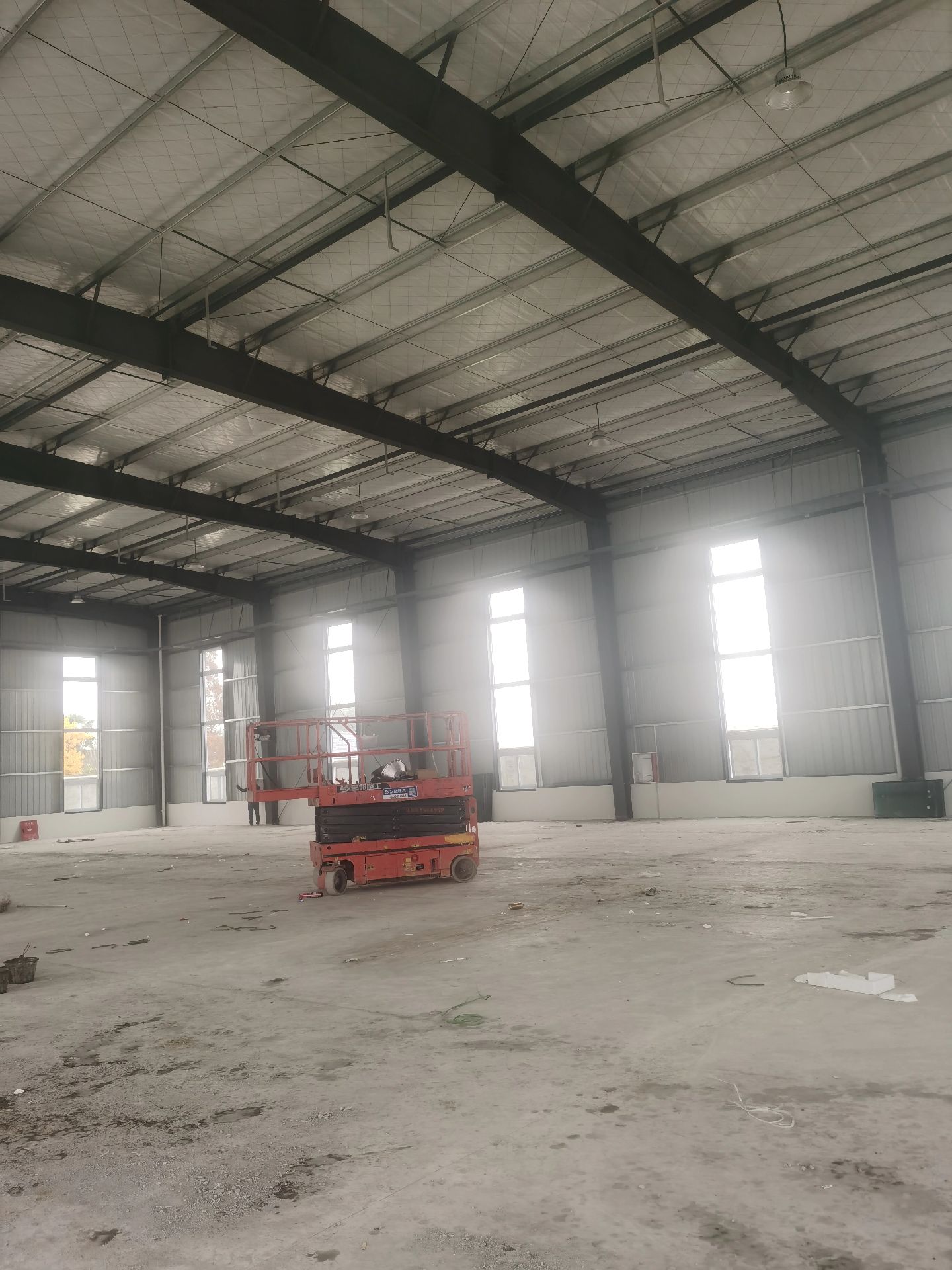
Steel support systems form the backbone of countless industrial and commercial structures, from warehouses to manufacturing facilities. However, these critical components face a persistent threat that can compromise their integrity and longevity: corrosion. Understanding how to effectively prevent corrosion in steel support systems is essential for maintaining structural safety, extending service life, and reducing long-term maintenance costs. The battle against corrosion begins with proper material selection, protective coatings, and comprehensive maintenance strategies that address the root causes of metal degradation.
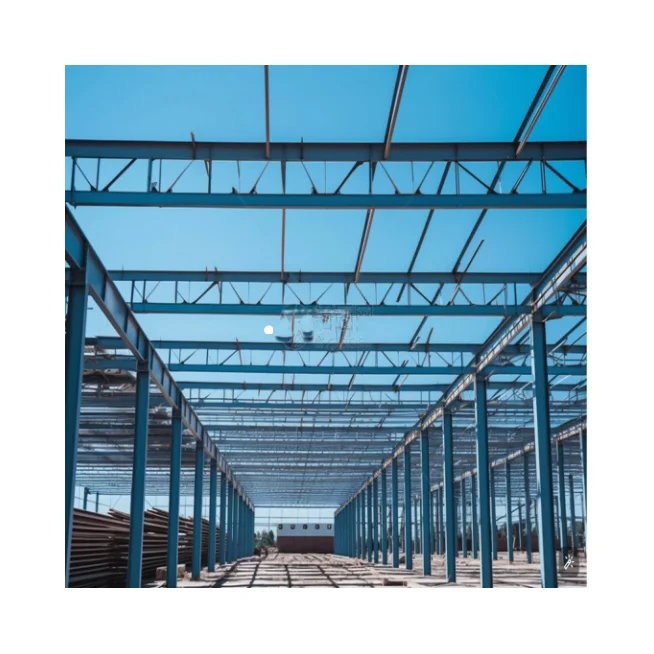
Understanding Corrosion Mechanisms in Steel Structures
Electrochemical Nature of Corrosion
Corrosion in steel support systems occurs through electrochemical processes that involve the oxidation of iron in the presence of water and oxygen. This process creates iron oxide, commonly known as rust, which not only degrades the appearance of steel structures but also compromises their structural integrity. The electrochemical reaction requires an anode, cathode, electrolyte, and metallic pathway to complete the corrosion circuit.
Environmental factors significantly influence the rate and severity of corrosion in steel frameworks. Moisture, temperature fluctuations, chemical exposure, and atmospheric pollutants all contribute to accelerated degradation. Industrial environments often present particularly challenging conditions, with exposure to acids, salts, and other corrosive substances that can rapidly deteriorate unprotected steel components.
Common Types of Steel Corrosion
Uniform corrosion represents the most predictable form of metal degradation, occurring evenly across exposed surfaces. This type of corrosion is relatively manageable through proper protective measures and regular inspection protocols. However, localized corrosion poses a more significant threat to structural integrity, as it can create deep pits or cracks that compromise load-bearing capacity.
Galvanic corrosion occurs when dissimilar metals come into contact in the presence of an electrolyte, creating a galvanic cell that accelerates the degradation of the more anodic material. This phenomenon is particularly relevant in steel support systems where different metal components may be joined together through bolts, welds, or mechanical connections.
Protective Coating Systems for Steel Frameworks
Hot-Dip Galvanizing Technology
Hot-dip galvanizing represents one of the most effective long-term protection methods for steel support systems. This process involves immersing cleaned steel components in molten zinc, creating a metallurgically bonded zinc coating that provides both barrier and sacrificial protection. The zinc coating acts as a barrier against moisture and oxygen while serving as a sacrificial anode that corrodes preferentially to protect the underlying steel.
The thickness and uniformity of hot-dip galvanized coatings ensure consistent protection across complex geometries and hard-to-reach areas. This comprehensive coverage is particularly important for structural steel components that may have intricate shapes, connections, and internal surfaces that would be difficult to protect with applied coatings.
Paint and Polymer Coating Systems
Advanced paint systems provide versatile protection options for steel support systems, with modern formulations offering enhanced durability and performance characteristics. Epoxy-based primers create excellent adhesion and corrosion resistance, while polyurethane topcoats provide weather resistance and aesthetic appeal. Multi-coat systems combine the benefits of different resin technologies to maximize protection and service life.
Specialized coating systems address specific environmental challenges, such as high-temperature resistance, chemical exposure, or marine environments. These engineered solutions require careful surface preparation and application procedures to achieve optimal performance, making professional application essential for critical structural components.
Design Considerations for Corrosion Prevention
Structural Design Principles
Effective corrosion prevention begins during the design phase of steel support systems, where engineers can incorporate features that minimize moisture retention and promote drainage. Proper detailing eliminates crevices, sharp corners, and horizontal surfaces that can trap water and debris. Structural connections should be designed to facilitate inspection and maintenance access while minimizing exposure to corrosive elements.
Ventilation considerations play a crucial role in preventing moisture accumulation around steel frameworks. Adequate airflow helps maintain dry conditions and reduces the likelihood of condensation formation on metal surfaces. Design features such as weep holes, drainage channels, and ventilation openings contribute to a drier environment that inhibits corrosion processes.
Material Selection Strategies
Choosing appropriate steel grades and alloys significantly impacts the corrosion resistance of support systems. Weathering steels, also known as atmospheric corrosion-resistant steels, develop a protective oxide layer that slows further corrosion in many environments. Stainless steel components provide superior corrosion resistance for critical applications, though at higher initial costs.
Compatibility between different materials used in steel support systems requires careful consideration to prevent galvanic corrosion. Proper insulation and isolation techniques ensure that dissimilar metals do not create electrochemical cells that accelerate corrosion. Selection of fasteners, hardware, and connection materials must align with the corrosion protection strategy for the entire structural system.
Environmental Control and Maintenance Strategies
Atmospheric Management
Controlling the environmental conditions around steel support systems provides an effective approach to corrosion prevention. Dehumidification systems maintain atmospheric moisture levels below the critical threshold for corrosion initiation. Climate control becomes particularly important in enclosed structures where temperature and humidity fluctuations can create condensation on steel surfaces.
Chemical environment management involves controlling exposure to corrosive substances such as acids, salts, and industrial chemicals. Proper ventilation systems remove corrosive vapors and maintain air quality around structural steel components. Environmental monitoring systems track conditions and alert maintenance personnel to situations that could accelerate corrosion processes.
Preventive Maintenance Programs
Regular inspection and maintenance schedules form the foundation of effective corrosion prevention in steel support systems. Comprehensive inspection protocols identify early signs of coating degradation, surface corrosion, or environmental changes that could affect structural integrity. Documentation of inspection findings enables trending analysis and predictive maintenance planning.
Maintenance procedures must address both protective coating systems and the underlying steel substrate. Touch-up painting, coating repair, and surface cleaning prevent minor issues from developing into major structural problems. Professional maintenance teams understand the specific requirements of different protection systems and can execute repairs that maintain the integrity of the overall corrosion prevention strategy.
Advanced Corrosion Protection Technologies
Cathodic Protection Systems
Cathodic protection represents an electrochemical approach to corrosion prevention that makes the steel structure the cathode in an electrochemical cell. Impressed current systems use external power sources to drive protective currents, while sacrificial anode systems rely on more reactive metals to provide protection. These systems prove particularly effective for steel structures in contact with soil or water.
Implementation of cathodic protection requires careful design and installation by qualified professionals. System monitoring and maintenance ensure optimal performance and prevent over-protection that could damage coatings or cause hydrogen embrittlement. Regular testing and adjustment maintain protection levels within specified ranges for maximum effectiveness.
Corrosion Inhibitor Applications
Chemical corrosion inhibitors provide supplementary protection for steel support systems through various mechanisms. Vapor phase inhibitors create protective atmospheres around steel components, while contact inhibitors form protective films on metal surfaces. These chemical treatments prove particularly valuable in enclosed spaces or during temporary storage and transportation.
Selection of appropriate inhibitor chemistries depends on environmental conditions, steel grades, and compatibility with existing protection systems. Professional application ensures proper coverage and concentration levels while avoiding adverse effects on other system components. Regular monitoring confirms inhibitor effectiveness and guides reapplication schedules.
Economic Considerations and Life-Cycle Analysis
Cost-Benefit Analysis of Protection Methods
Evaluating the economic impact of different corrosion prevention strategies requires consideration of initial costs, maintenance expenses, and potential failure consequences. While advanced protection systems may require higher upfront investments, they often provide superior long-term value through reduced maintenance requirements and extended service life. Life-cycle cost analysis helps stakeholders make informed decisions about optimal protection levels.
Failure costs associated with corrosion-related structural damage can far exceed the investment in proper prevention measures. Emergency repairs, production downtime, and safety incidents represent significant financial risks that effective corrosion prevention strategies help mitigate. Insurance considerations may also favor structures with comprehensive corrosion protection programs.
Return on Investment Calculations
Quantifying the return on investment for corrosion prevention measures involves comparing the costs of protection systems against the avoided costs of corrosion damage. Extended service life, reduced maintenance frequency, and improved reliability contribute to positive returns on prevention investments. Performance data from similar applications provides valuable benchmarks for economic analysis.
Long-term economic benefits extend beyond direct maintenance savings to include improved operational efficiency and reduced business disruption. Steel support systems with effective corrosion protection maintain their structural performance characteristics throughout their design life, supporting consistent operational capabilities and avoiding costly premature replacements.
FAQ
What is the most effective coating system for preventing corrosion in steel support systems?
Hot-dip galvanizing provides the most comprehensive long-term protection for steel support systems, offering both barrier and sacrificial protection mechanisms. This process creates a metallurgically bonded zinc coating that self-heals minor scratches and provides consistent protection across complex geometries. For applications requiring specific aesthetic or performance characteristics, multi-coat paint systems with epoxy primers and polyurethane topcoats offer excellent alternatives with customizable properties.
How often should steel support systems be inspected for corrosion?
Inspection frequency depends on environmental conditions and protection systems, but annual inspections represent the minimum recommended schedule for most applications. Harsh environments such as marine, industrial, or chemical processing facilities may require semi-annual or quarterly inspections. Critical structural components should be monitored more frequently, with detailed documentation to track condition changes over time and guide maintenance decisions.
Can existing corroded steel structures be effectively restored?
Yes, corroded steel structures can often be restored to serviceable condition through proper surface preparation and recoating procedures. The restoration process involves removing all corrosion products, treating the steel surface, and applying appropriate protective coatings. However, severely corroded components may require reinforcement or replacement to restore full structural capacity. Professional assessment determines the feasibility and scope of restoration work.
What environmental factors most significantly accelerate steel corrosion?
Moisture and oxygen availability represent the primary drivers of steel corrosion, with relative humidity above 60% creating conditions conducive to corrosion initiation. Temperature fluctuations that cause condensation formation significantly accelerate corrosion processes. Chemical contaminants such as chlorides, sulfur compounds, and acids dramatically increase corrosion rates. Industrial environments with exposure to process chemicals or atmospheric pollutants present particularly challenging conditions for steel structures.

