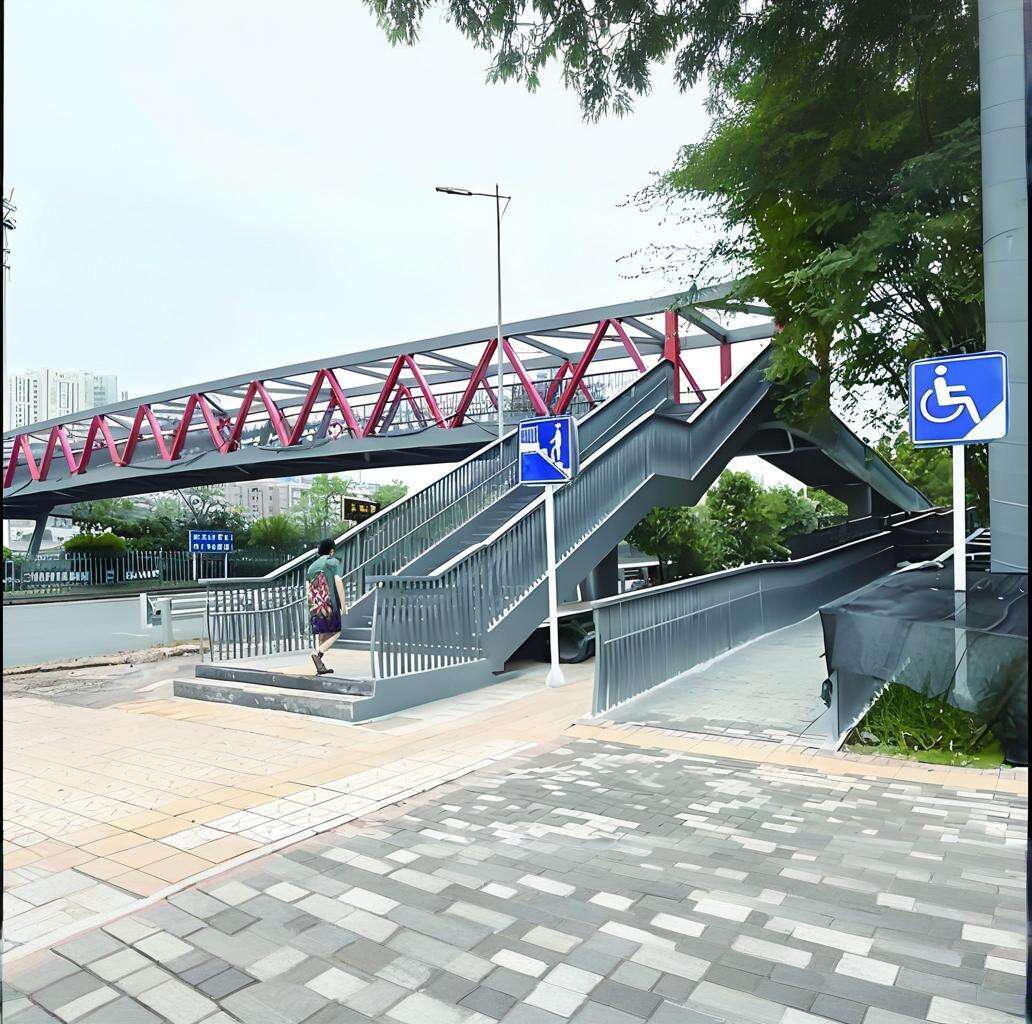
Modular Steel Bridges: Revolutionary Infrastructure Solutions for Rapid Deployment and Sustainable Construction

Get a Free Quote

Our representative will contact you soon.
Email
Name
Company Name
Message
0/1000

modular steel bridges

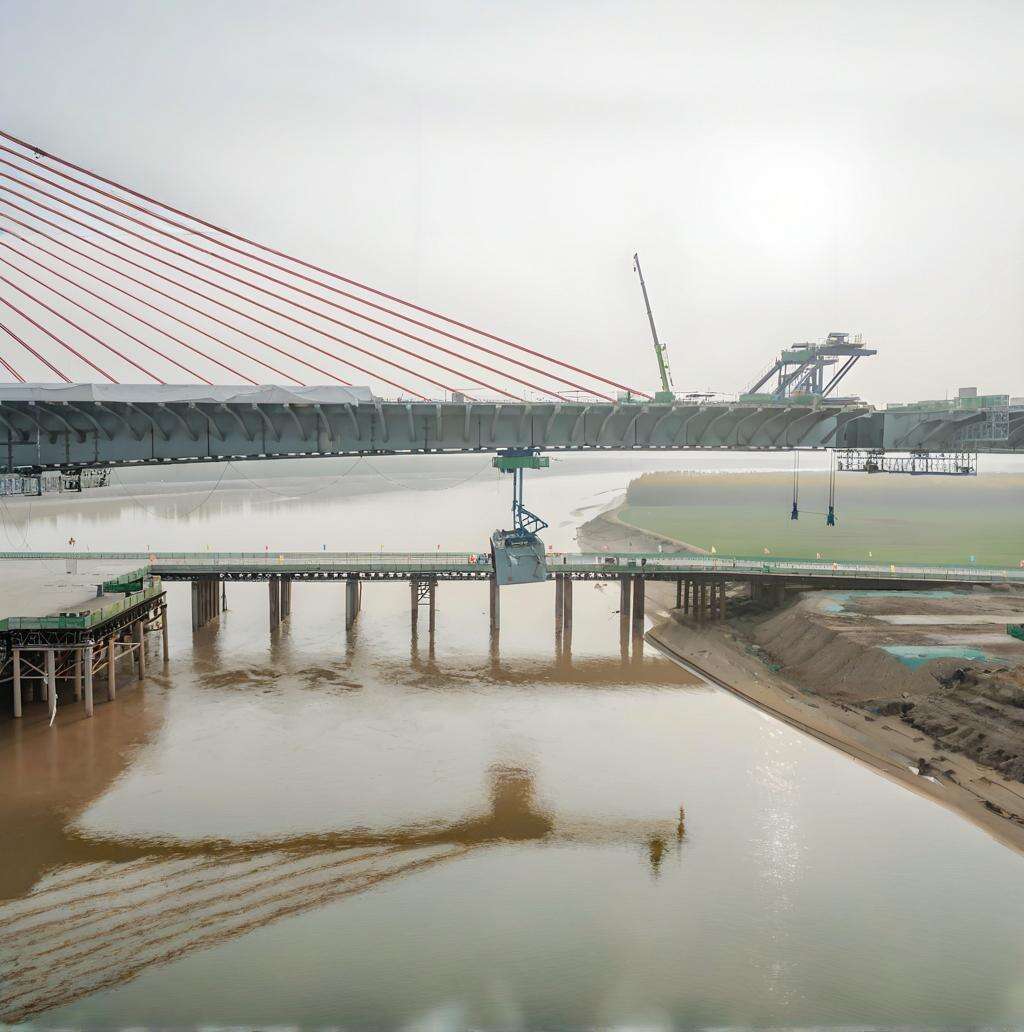
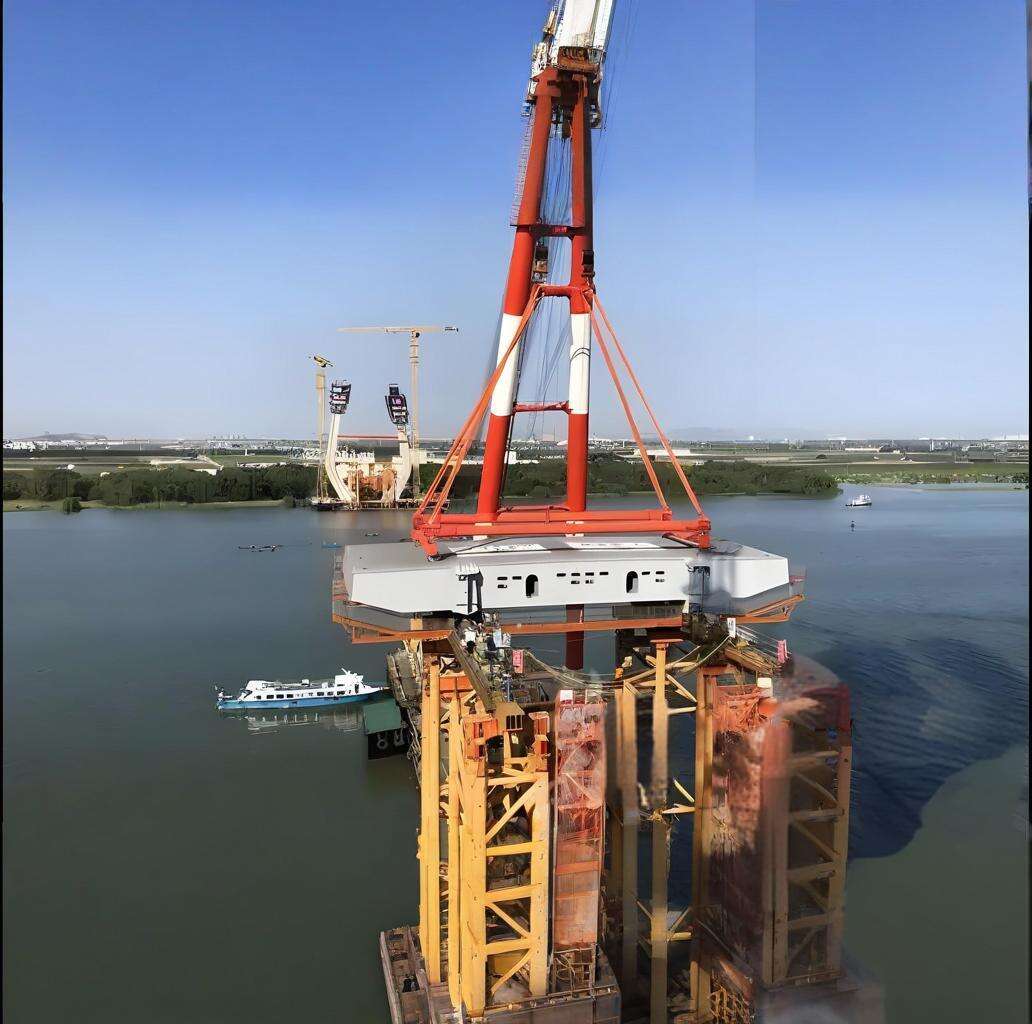
Modular steel bridges represent a revolutionary advancement in modern infrastructure engineering, combining innovative design principles with practical construction methodology. These bridges consist of pre-engineered steel components that can be rapidly assembled on-site, offering a perfect blend of structural integrity and installation efficiency. The primary function of modular steel bridges lies in their ability to provide quick, reliable transportation solutions across various terrain types and spanning requirements. These structures utilize high-strength steel components, precisely manufactured under controlled conditions, ensuring consistent quality and durability. The technological features include standardized connection systems, corrosion-resistant treatments, and adaptable foundation designs that accommodate different soil conditions. Applications of modular steel bridges span across multiple sectors, from temporary construction site access to permanent infrastructure solutions. They are particularly valuable in remote locations, emergency response situations, and urban renewal projects where minimal disruption is essential. The modular design allows for customization in span length, width, and load-bearing capacity, making them suitable for vehicular, pedestrian, and utility crossing requirements. These bridges incorporate advanced engineering principles to ensure optimal performance while maintaining cost-effectiveness and sustainability in modern infrastructure development.


New Product Releases

Modular steel bridges offer numerous compelling advantages that make them an increasingly popular choice in modern construction projects. First and foremost, their rapid installation capability significantly reduces project timelines, often allowing completion in days rather than months required for traditional bridge construction. This time efficiency translates directly into cost savings through reduced labor requirements and minimal site disruption. The prefabricated nature of these bridges ensures exceptional quality control, as components are manufactured in controlled factory environments rather than constructed on-site. This standardization results in consistent, reliable performance and reduced maintenance requirements over the bridge's lifetime. Another significant advantage is the flexibility in design and application. Modular steel bridges can be easily modified or expanded to accommodate changing needs, and their components can be reused or relocated if necessary. The environmental impact is notably lower compared to traditional construction methods, with reduced on-site waste and minimal disruption to surrounding ecosystems. These bridges also offer superior durability and weather resistance, thanks to high-quality materials and protective treatments applied during manufacturing. The cost-effectiveness extends beyond initial construction, as the standardized components and simplified maintenance procedures result in lower lifecycle costs. Additionally, the modular design allows for easier inspection and replacement of individual components, ensuring long-term safety and reliability. The bridges' adaptability to various terrain types and load requirements makes them ideal for both temporary and permanent installations, providing versatile solutions for diverse infrastructure needs.

Tips And Tricks

What Makes Steel Structure Office Buildings Flexible in Design and Expansion

04

Sep

What Makes Steel Structure Office Buildings Flexible in Design and Expansion

Modern Architecture's Game-Changer: The Versatility of Steel Construction Steel structure office buildings represent a revolutionary approach in modern commercial architecture, offering unprecedented flexibility in both initial design and future modi...
View More
 How to Calculate the Cost of a Steel Warehouse

12

Nov

How to Calculate the Cost of a Steel Warehouse

Understanding Steel Warehouse Cost Components Calculating the cost of a steel warehouse requires careful consideration of multiple factors that contribute to the overall investment. From raw materials to labor expenses, each component plays a crucial...
View More
What Is the Lifespan of a Steel Structure Building

12

Nov

What Is the Lifespan of a Steel Structure Building

Understanding the Durability and Longevity of Modern Steel Construction In the realm of construction and architecture, steel structure buildings have emerged as a cornerstone of modern development, offering remarkable durability and structural integr...
View More
What Are the Most Common Wear Parts in Shield Machines

13

Nov

What Are the Most Common Wear Parts in Shield Machines

Shield tunneling technology has revolutionized underground construction projects worldwide, enabling the efficient excavation of tunnels for metros, highways, and utility systems. However, the demanding operational environment of shield machines subj...
View More

Get a Free Quote

Our representative will contact you soon.
Email
Name
Company Name
Message
0/1000

modular steel bridges

Superior Structural Adaptability

Superior Structural Adaptability

Modular steel bridges excel in their unparalleled structural adaptability, a feature that sets them apart in the infrastructure industry. This adaptability manifests in multiple dimensions, starting with the ability to accommodate various span lengths and width requirements without compromising structural integrity. The engineering behind these bridges allows for customization of load-bearing capacities, making them suitable for everything from light pedestrian traffic to heavy industrial use. The modular components can be configured in different arrangements to create single-span, multiple-span, or complex geometric layouts, addressing specific site challenges and requirements. Additionally, the foundation systems can be modified to suit various soil conditions and topographical features, ensuring stability across diverse environments. This adaptability extends to future modifications, as the modular nature allows for easy expansion or reconfiguration as needs change over time.
Rapid Installation and Deployment

Rapid Installation and Deployment

The rapid installation capability of modular steel bridges represents a groundbreaking advancement in bridge construction technology. This feature dramatically reduces project completion times, often allowing bridges to be installed in a matter of days rather than the months typically required for conventional construction methods. The installation process begins with minimal site preparation, as the standardized components arrive ready for assembly. Specialized connection systems enable quick and secure assembly, while the precision-engineered components ensure perfect fit and alignment. This rapid deployment capability is particularly valuable in emergency situations where immediate infrastructure restoration is crucial. The reduced installation time also minimizes traffic disruption and community impact, making these bridges ideal for urban renewal projects and infrastructure upgrades in busy areas.
Cost-Effective Lifecycle Management

Cost-Effective Lifecycle Management

The cost-effective lifecycle management of modular steel bridges provides significant long-term benefits for infrastructure owners and operators. This advantage begins with the initial cost savings from reduced construction time and labor requirements but extends throughout the entire service life of the bridge. The high-quality, factory-manufactured components require less frequent maintenance compared to traditional bridges, reducing ongoing operational costs. The modular design allows for targeted maintenance and replacement of individual components rather than extensive structural repairs, optimizing maintenance budgets. The bridges' corrosion-resistant treatments and durable materials contribute to extended service life, while the standardized components make future repairs or modifications more cost-effective. Additionally, the potential for component reuse and relocation adds value by allowing infrastructure investments to be repurposed as needed.
email goToTop