Prefabricated Steel Bridges: Advanced Engineering Solutions for Rapid Infrastructure Development

Get a Free Quote

Our representative will contact you soon.
Email
Name
Company Name
Message
0/1000

prefabricated steel bridge

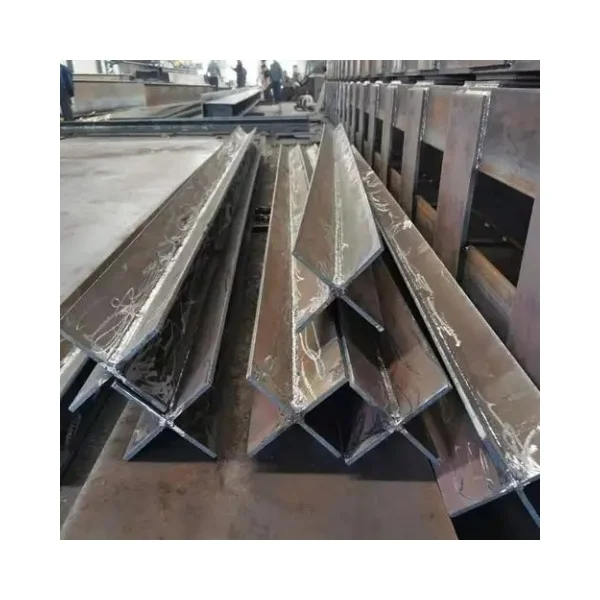
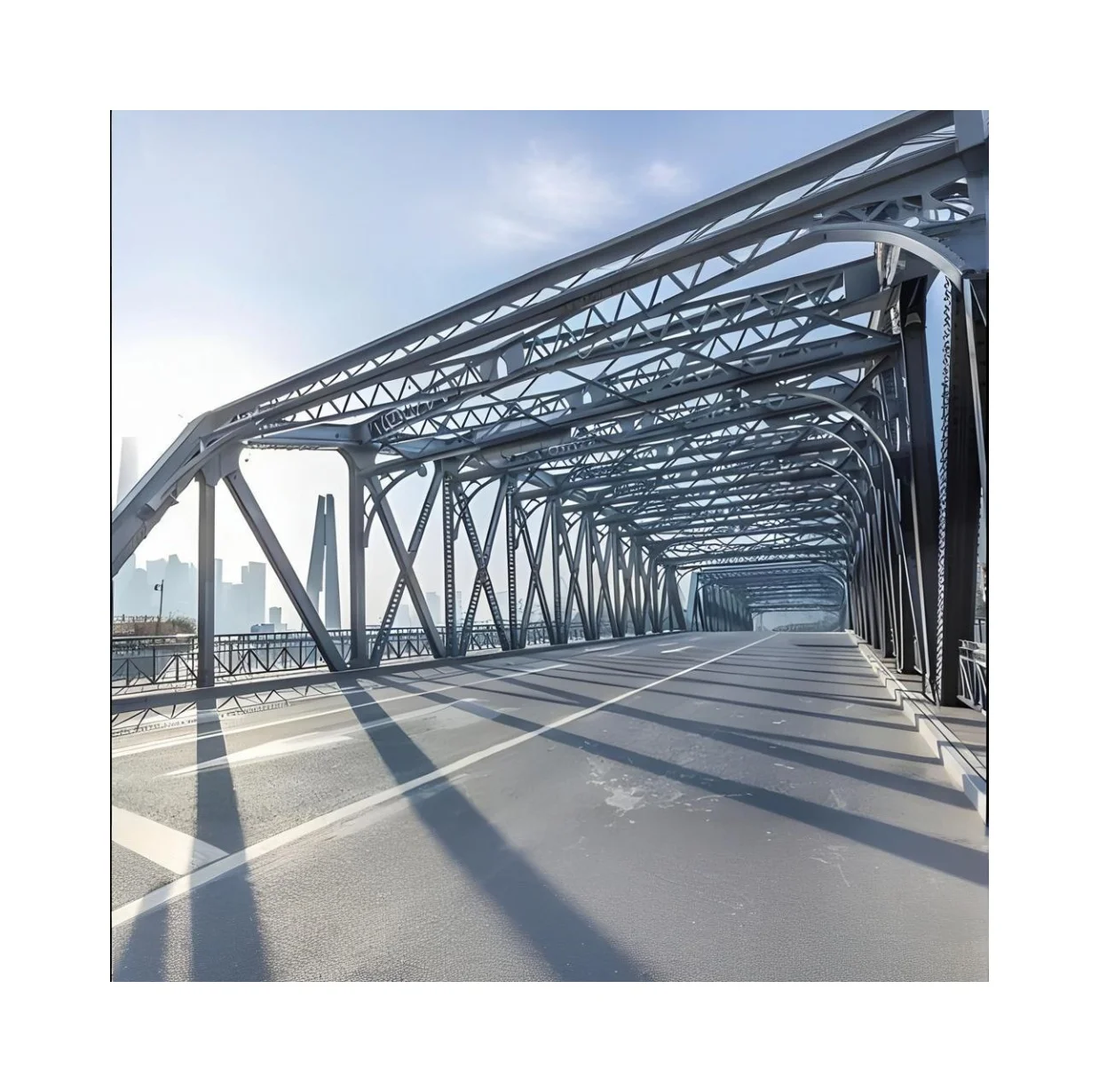
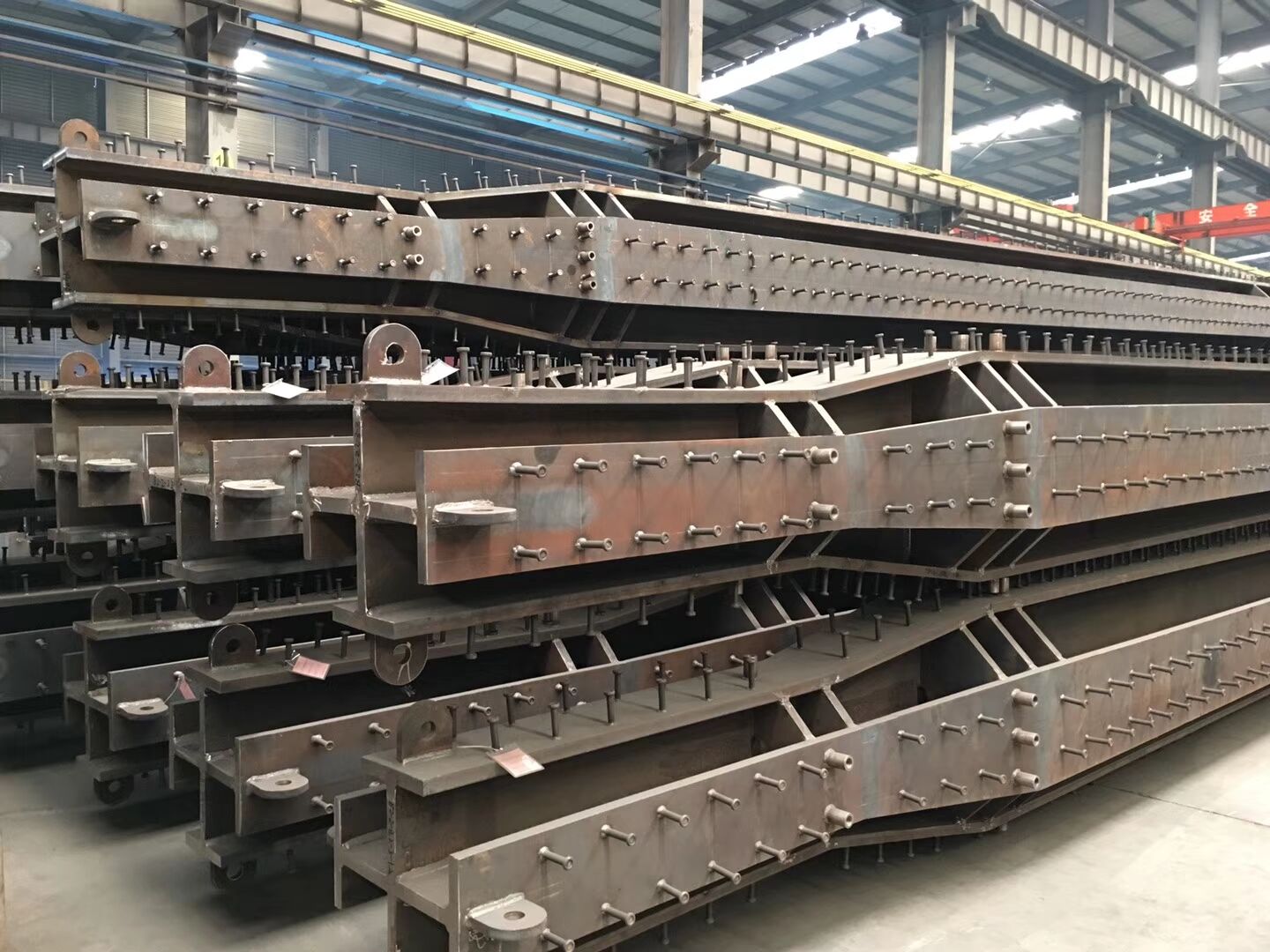
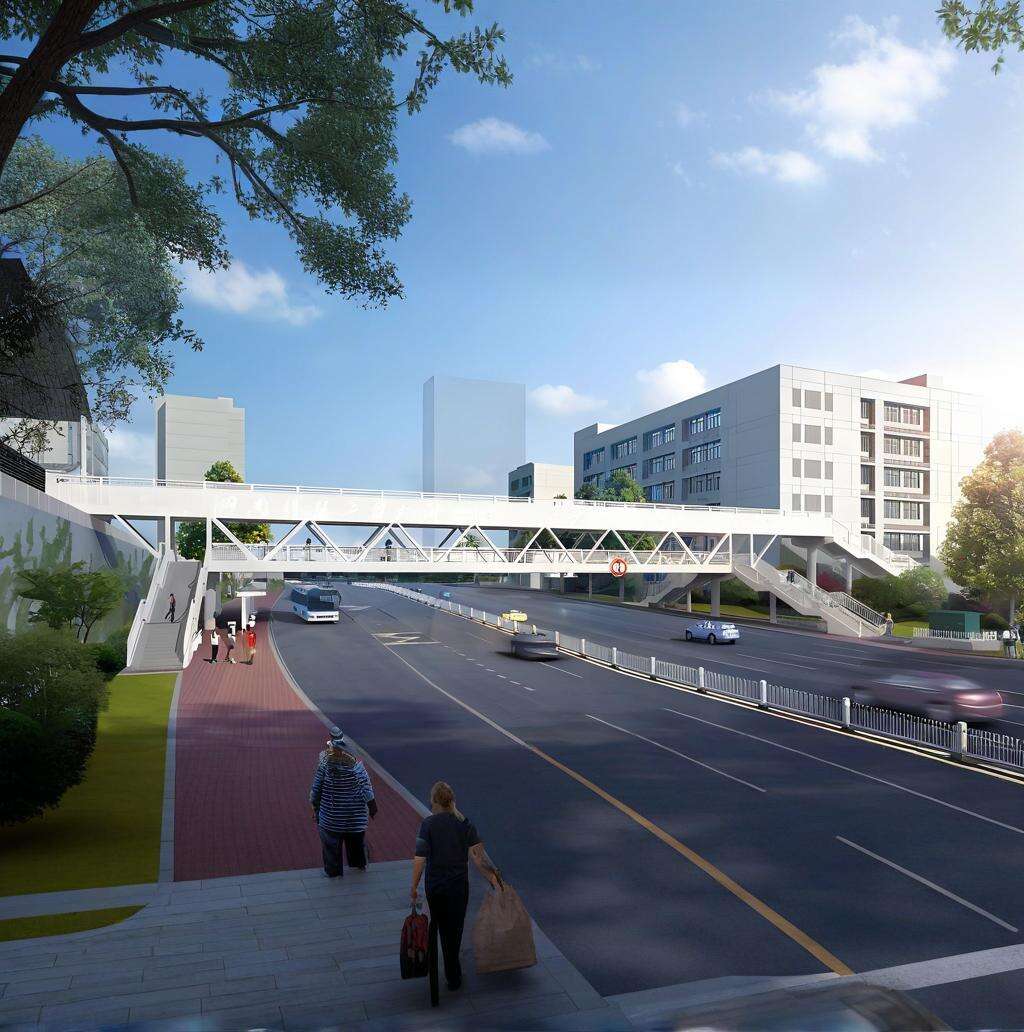
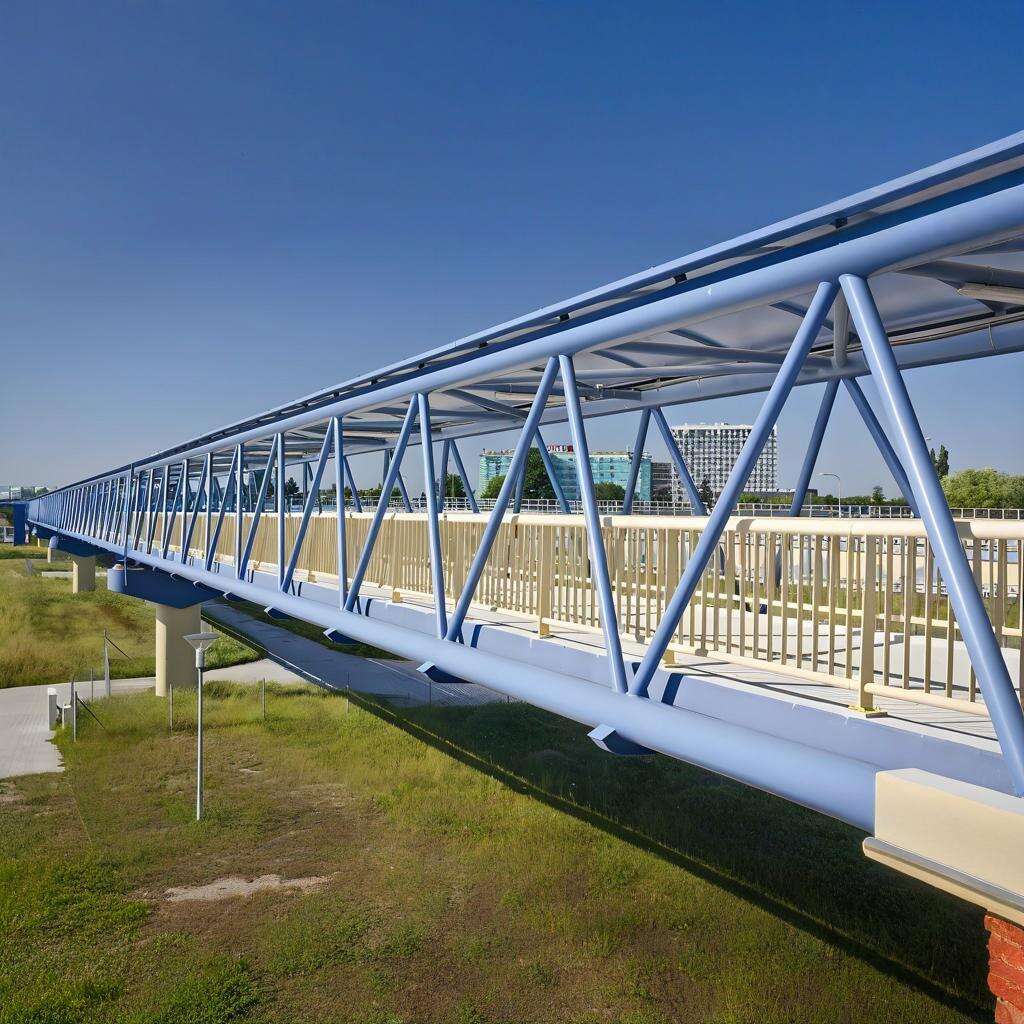
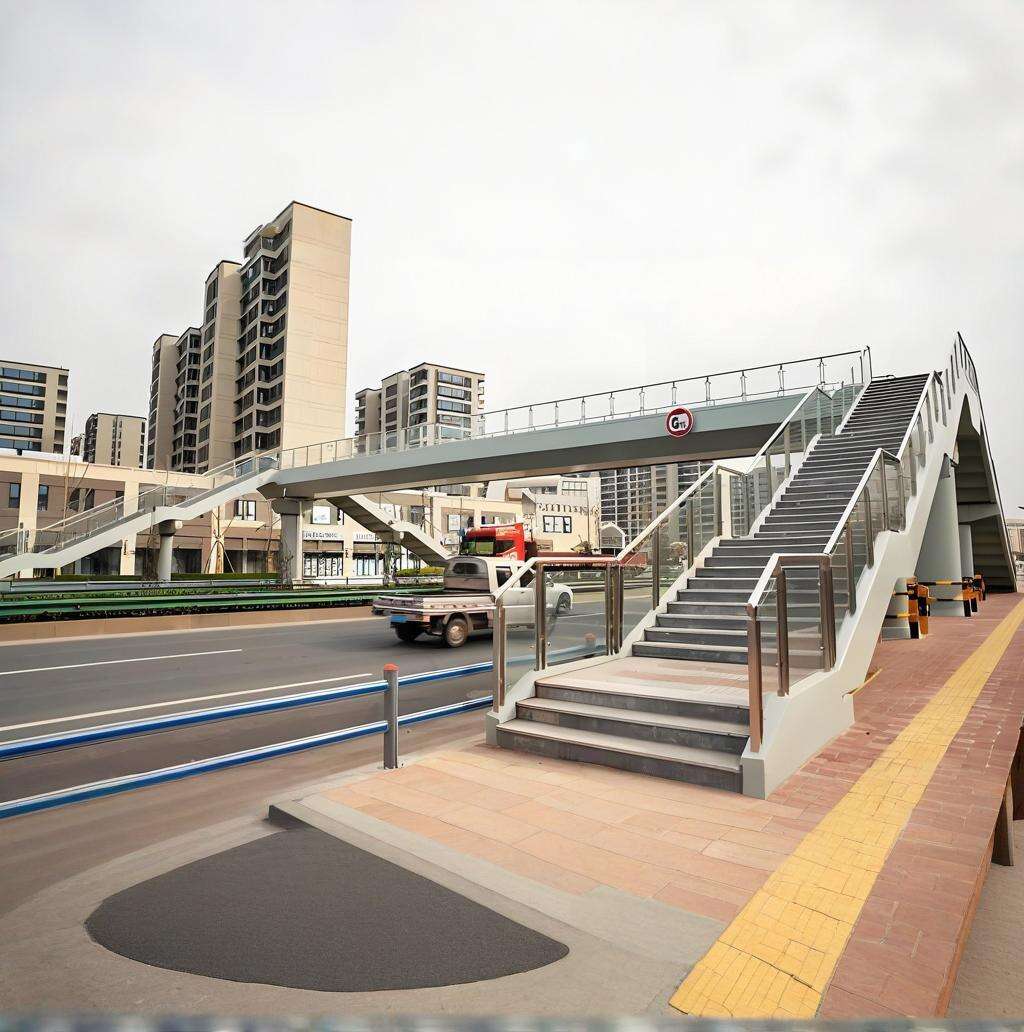
A prefabricated steel bridge represents a cutting-edge solution in modern infrastructure development, combining efficient construction methods with robust engineering principles. These structures are manufactured off-site in controlled factory conditions, ensuring precise specifications and quality control throughout the production process. The bridge components are designed for optimal strength-to-weight ratios, utilizing high-grade steel that undergoes rigorous testing and treatment to ensure longevity and durability. The modular nature of these bridges allows for rapid assembly on-site, significantly reducing construction time and minimizing disruption to surrounding areas. These bridges can span various lengths and accommodate different load requirements, making them suitable for both vehicular and pedestrian traffic. The design incorporates advanced engineering features such as pre-stressed elements, specialized coating systems for corrosion resistance, and carefully calculated load distribution mechanisms. Modern prefabricated steel bridges often include integrated safety features, drainage systems, and can be customized with various deck materials to suit specific project requirements. They're particularly valuable in remote locations or areas where traditional construction methods might be impractical or cost-prohibitive. The standardized manufacturing process ensures consistent quality while allowing for customization to meet specific project requirements and local regulations.


New Product Recommendations

Prefabricated steel bridges offer numerous compelling advantages that make them an increasingly popular choice in modern construction projects. The most significant benefit is the dramatic reduction in construction time, as major components are manufactured simultaneously off-site while foundation work proceeds on-site. This parallel processing can reduce project timelines by up to 50% compared to traditional construction methods. Cost efficiency is another crucial advantage, achieved through standardized manufacturing processes, reduced labor requirements, and minimal on-site construction time. The quality control in factory settings ensures superior structural integrity and consistency, as components are produced under optimal conditions with precise specifications. Environmental impact is significantly reduced due to minimal site disruption, less construction waste, and reduced carbon emissions from shorter construction periods. The modular nature of these bridges provides flexibility in design and allows for future modifications or expansions as needs change. Transportation and installation processes are streamlined due to the optimized weight and size of components, reducing logistical challenges and associated costs. These bridges also offer excellent durability and longevity, thanks to high-quality materials and protective treatments applied in controlled factory conditions. Maintenance requirements are typically lower than traditional bridges, as factory-applied protective coatings and standardized components make repairs and replacements more straightforward. The adaptability of prefabricated steel bridges to various terrains and conditions makes them ideal for both permanent and temporary installations, providing versatility in infrastructure development projects.

Latest News

Why Steel Structure Office Buildings Are the Future of Sustainable Design

19

Aug

Why Steel Structure Office Buildings Are the Future of Sustainable Design

ChatGPT 说: Why Steel Structure Office Buildings Are the Future of Sustainable Design The global construction industry is undergoing a major transformation. With rising concerns about climate change, energy efficiency, and the environmental footprint ...
View More
 How Does Workshop Steel Structure Improve Building Efficiency

04

Sep

How Does Workshop Steel Structure Improve Building Efficiency

Revolutionizing Construction with Modern Steel Structures The evolution of construction technology has brought workshop steel structure to the forefront of modern building solutions. These innovative structural systems have transformed how we approac...
View More
What Are the Load-Bearing Capacities of Different Steel Supports

13

Nov

What Are the Load-Bearing Capacities of Different Steel Supports

Understanding the load-bearing capacities of various steel supports is crucial for engineers, architects, and construction professionals who need to ensure structural integrity and safety in their projects. Steel supports form the backbone of countle...
View More
How to Customize a Steel Structure Office Building for Modern Workspaces

13

Nov

How to Customize a Steel Structure Office Building for Modern Workspaces

Modern workspaces demand flexibility, sustainability, and cost-effectiveness, making steel structure office buildings an increasingly popular choice for forward-thinking businesses. These innovative construction solutions offer unparalleled customiza...
View More

Get a Free Quote

Our representative will contact you soon.
Email
Name
Company Name
Message
0/1000

prefabricated steel bridge

Superior Construction Speed and Efficiency

Superior Construction Speed and Efficiency

The revolutionary speed of prefabricated steel bridge construction stands as one of its most remarkable features. The manufacturing process takes place in controlled factory environments, allowing for simultaneous production of multiple components while site preparation work proceeds. This parallel processing can reduce overall project timelines by 40-60% compared to conventional bridge construction methods. The efficiency extends beyond just time savings, as the controlled environment ensures precise manufacturing tolerances, resulting in components that fit together perfectly during assembly. The streamlined installation process typically requires smaller crews and less heavy equipment on-site, further reducing project complexity and associated risks. This rapid construction capability is particularly valuable in urban areas where minimizing traffic disruption is crucial, or in emergency situations where quick infrastructure replacement is necessary.
Enhanced Quality Control and Durability

Enhanced Quality Control and Durability

The factory-controlled manufacturing environment of prefabricated steel bridges ensures unprecedented levels of quality control and consistency. Each component undergoes rigorous testing and inspection before leaving the facility, eliminating many of the variables and challenges associated with on-site construction. The steel elements receive optimal surface preparation and protective coatings in controlled conditions, ensuring maximum corrosion resistance and longevity. Advanced welding techniques and precise machining processes guarantee structural integrity, while automated quality control systems monitor every aspect of production. This level of quality control results in bridges that consistently meet or exceed design specifications, with documented quality assurance at every step. The controlled environment also allows for the application of specialized treatments and finishes that might be difficult or impossible to achieve in field conditions.
Cost-Effective Lifecycle Management

Cost-Effective Lifecycle Management

The economic advantages of prefabricated steel bridges extend well beyond initial construction costs, encompassing the entire lifecycle of the structure. The standardized components and modular design facilitate easier maintenance and repairs, reducing long-term operational costs. The high-quality materials and precise manufacturing processes result in structures that require less frequent maintenance interventions. When maintenance is needed, the modular nature of the bridge allows for targeted replacement of specific components rather than extensive reconstruction. The initial investment is often offset by reduced labor costs during installation, minimal site preparation requirements, and shorter project durations that reduce equipment rental and traffic management costs. Additionally, the durability of factory-produced components typically results in longer service life, providing better return on investment over the structure's lifetime.
email goToTop