Steel Fab Construction: Advanced Manufacturing Solutions for Modern Building Projects

Get a Free Quote

Our representative will contact you soon.
Email
Name
Company Name
Message
0/1000

steel fab construction

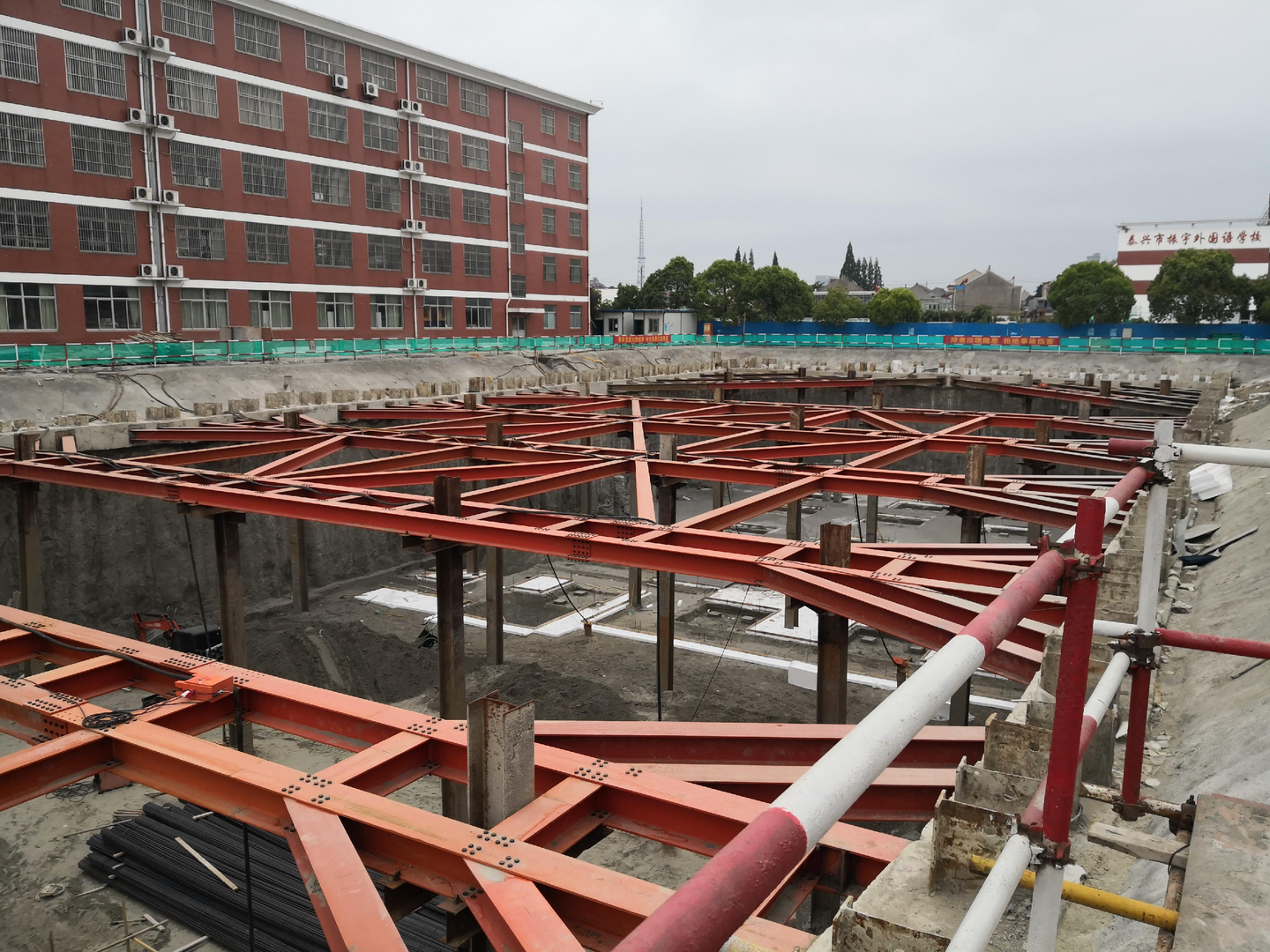
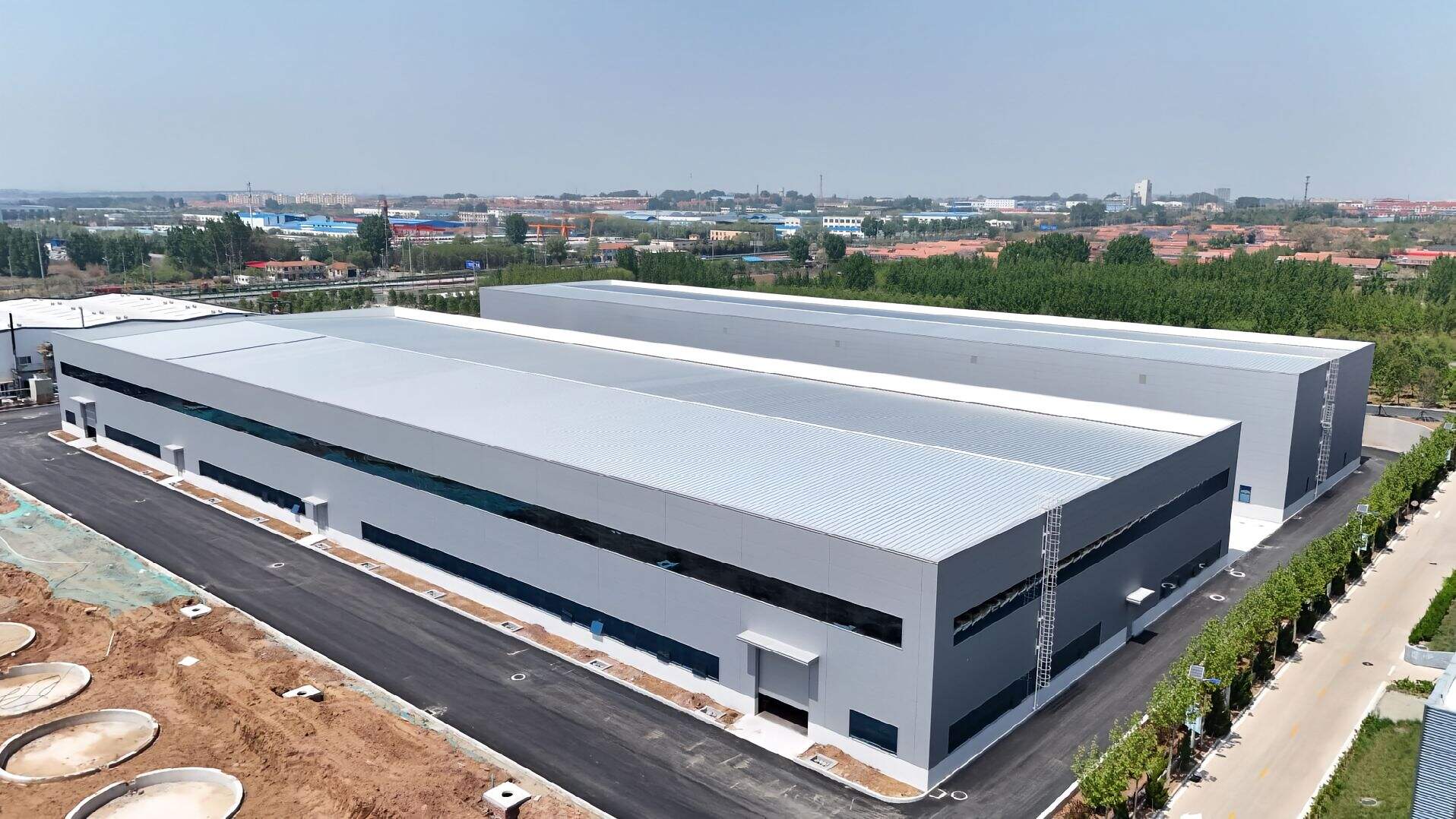
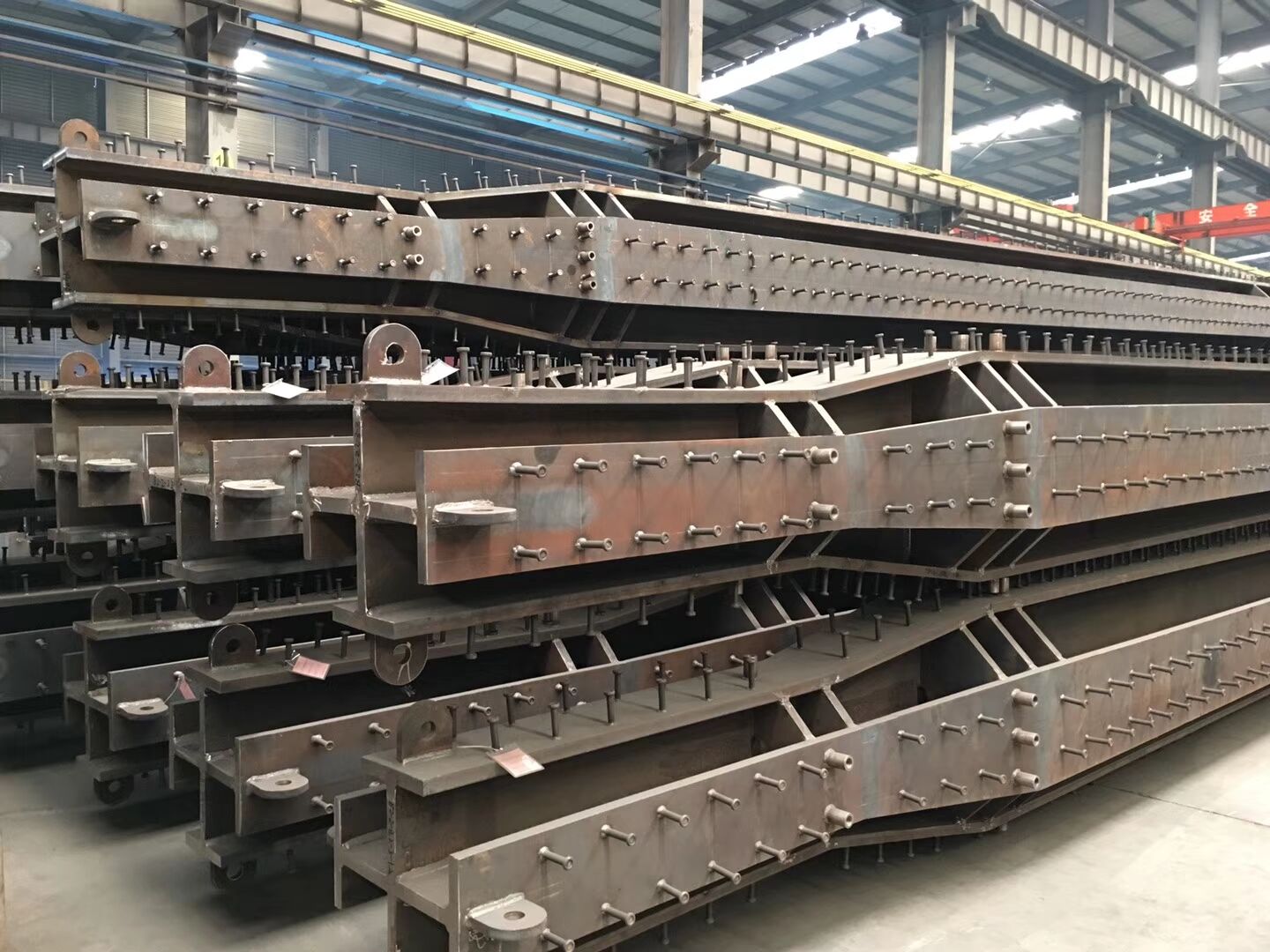
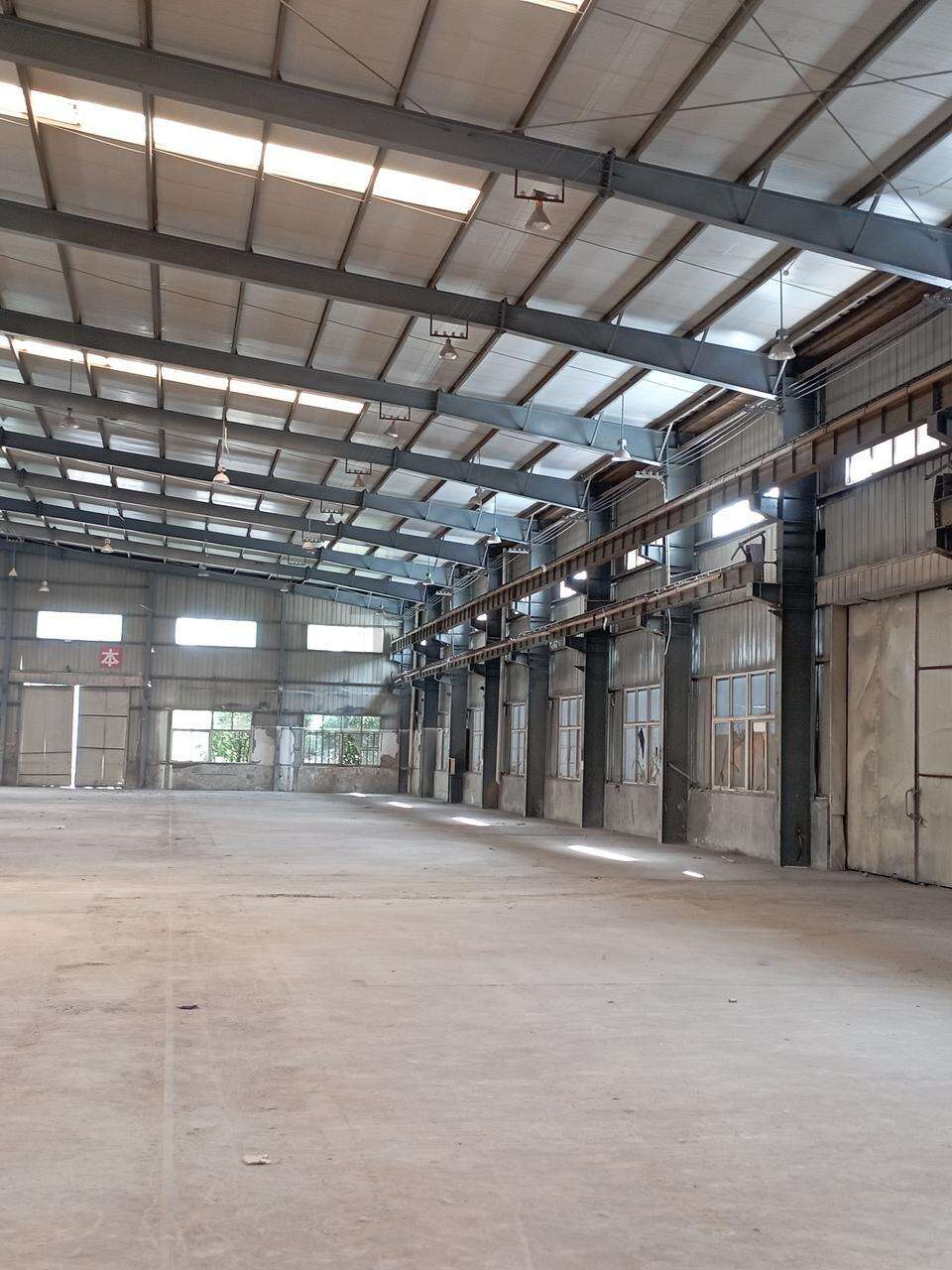
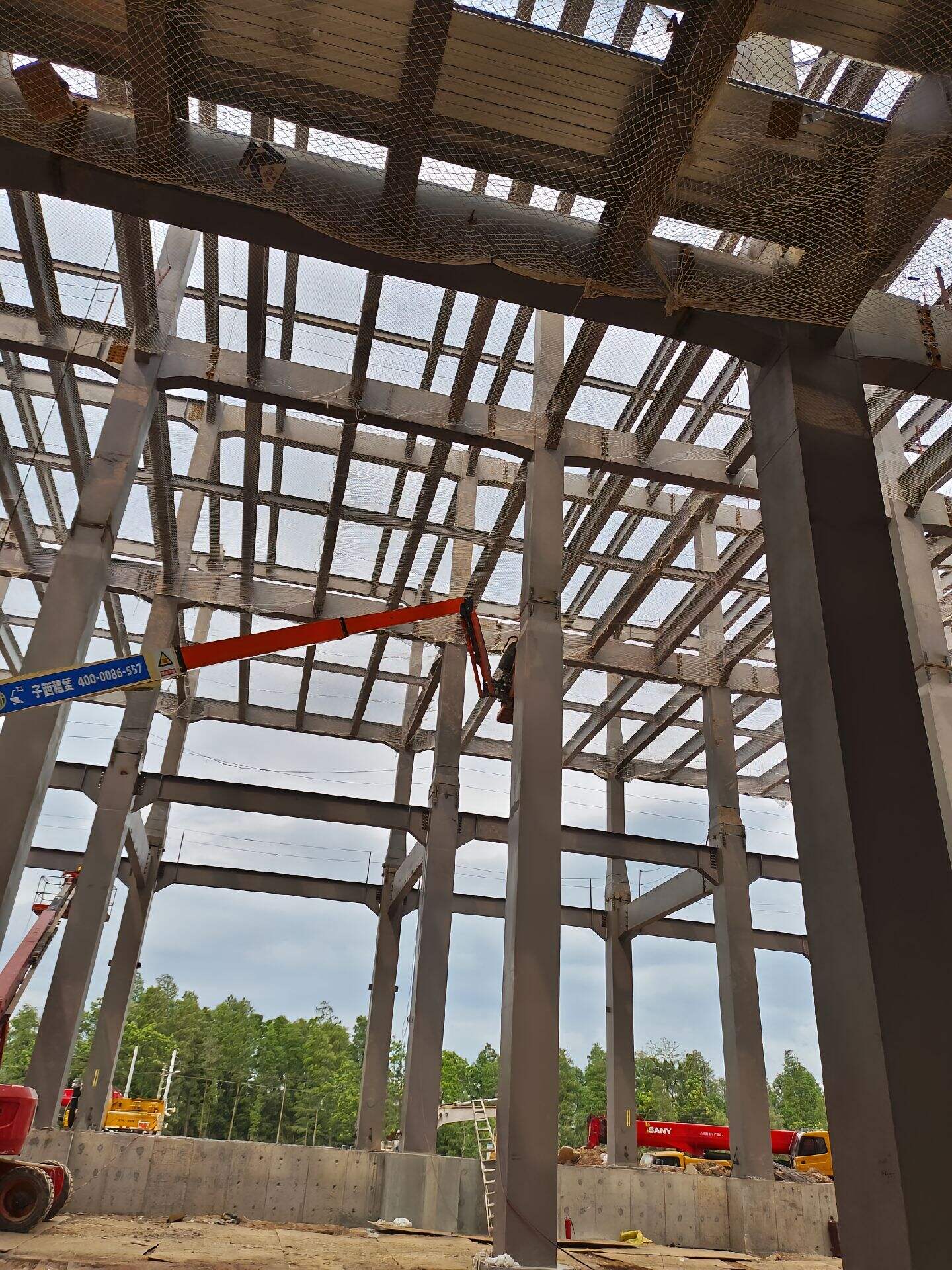
Steel fab construction represents a sophisticated approach to modern building and manufacturing processes, combining precision engineering with innovative fabrication techniques. This method involves the systematic creation of steel structures through cutting, bending, and assembling various steel parts and components. The process utilizes advanced CAD/CAM technology for precise measurements and specifications, ensuring each component meets exact requirements. State-of-the-art machinery, including CNC machines, automated welding systems, and robotic fabrication equipment, enables high precision and consistency in production. Steel fab construction finds extensive applications across multiple sectors, from commercial building projects to industrial facilities, bridges, and specialized equipment manufacturing. The process encompasses everything from initial design and engineering to final assembly and installation, with quality control measures implemented at every stage. Modern steel fab facilities incorporate real-time monitoring systems and digital quality assurance protocols to maintain exceptional standards throughout the fabrication process. This construction method allows for both standardized production and custom solutions, making it versatile enough to meet diverse project requirements while maintaining cost-effectiveness and structural integrity.


New Product Releases

Steel fab construction offers numerous compelling advantages that make it a preferred choice in modern construction and manufacturing. First, the precision-engineered components ensure superior structural integrity and reliability, resulting in buildings and structures that stand the test of time. The automated fabrication processes significantly reduce human error while increasing production efficiency, leading to faster project completion times and reduced labor costs. Quality control is enhanced through computerized monitoring systems, ensuring consistent standards across all components. The method's flexibility allows for easy modifications and adaptations during the construction phase, reducing potential delays and cost overruns. Steel fab construction also promotes sustainability through optimal material usage and minimal waste generation. The prefabrication aspect enables better project planning and reduced on-site construction time, minimizing environmental impact and site disruption. Cost predictability is another significant advantage, as detailed planning and precise material calculations help prevent unexpected expenses. The method's scalability makes it suitable for projects of any size, from small commercial buildings to large industrial complexes. Additionally, steel fab construction facilitates better safety standards through controlled factory environments and reduced on-site work requirements. The standardized processes ensure consistent quality across all components, while still allowing for customization to meet specific project needs. Modern steel fab techniques also incorporate advanced corrosion protection and finishing methods, extending the lifespan of structures and reducing maintenance requirements.

Practical Tips

Top Reasons to Choose Steel Structures for Modern Factories

19

Aug

Top Reasons to Choose Steel Structures for Modern Factories

Top Reasons to Choose Steel Structures for Modern Factories The construction industry has undergone remarkable changes in recent decades. With advancements in engineering, technology, and sustainability practices, modern factories are no longer built...
View More
What Are Steel Supports and Where Are They Used?

04

Sep

What Are Steel Supports and Where Are They Used?

Understanding the Fundamental Role of Steel Support Systems in Modern Construction Steel supports represent the backbone of modern construction and engineering, providing essential structural integrity across countless applications. These robust comp...
View More
What Is the Lifespan of a Steel Structure Building

12

Nov

What Is the Lifespan of a Steel Structure Building

Understanding the Durability and Longevity of Modern Steel Construction In the realm of construction and architecture, steel structure buildings have emerged as a cornerstone of modern development, offering remarkable durability and structural integr...
View More
What Are the Load-Bearing Capacities of Different Steel Supports

13

Nov

What Are the Load-Bearing Capacities of Different Steel Supports

Understanding the load-bearing capacities of various steel supports is crucial for engineers, architects, and construction professionals who need to ensure structural integrity and safety in their projects. Steel supports form the backbone of countle...
View More

Get a Free Quote

Our representative will contact you soon.
Email
Name
Company Name
Message
0/1000

steel fab construction

Advanced Technology Integration

Advanced Technology Integration

Steel fab construction leverages cutting-edge technology to revolutionize traditional construction methods. The integration of Building Information Modeling (BIM) allows for detailed 3D visualization and planning before physical fabrication begins. This technology enables precise coordination between different project components, minimizing conflicts and reducing costly on-site adjustments. Advanced CNC machinery ensures exact specifications are met consistently, while automated welding systems provide superior joint strength and reliability. Real-time monitoring systems track production progress and quality metrics, allowing for immediate adjustments when needed. The technology suite includes sophisticated design software that optimizes material usage and structural efficiency, resulting in more economical and sustainable solutions.
Quality Assurance and Precision

Quality Assurance and Precision

The steel fab construction process incorporates comprehensive quality control measures at every stage. From material selection to final assembly, each component undergoes rigorous testing and inspection. Advanced metallurgical testing ensures material compliance with structural requirements, while dimensional accuracy is verified through precise measurement systems. Welding quality is monitored through both visual and non-destructive testing methods, ensuring structural integrity. The controlled factory environment allows for consistent temperature and humidity conditions, optimal for high-quality fabrication. Documentation and traceability systems maintain detailed records of all materials and processes, facilitating quality certification and future maintenance planning.
Efficiency and Cost-effectiveness

Efficiency and Cost-effectiveness

Steel fab construction demonstrates superior efficiency in both resource utilization and project execution. The systematic approach to fabrication minimizes material waste through optimal cutting patterns and precise material calculations. Pre-assembly in controlled environments reduces weather-related delays and ensures faster project completion. The method's modular nature allows for parallel processing of different components, significantly reducing overall project timelines. Labor costs are optimized through efficient workflow planning and automated processes. The precision of prefabrication reduces the need for on-site modifications, preventing costly delays and rework. Transportation and logistics are streamlined through careful planning and sequencing of deliveries, ensuring smooth project progression.
email goToTop